


Aquaculture is growing fast, but it faces big environmental challenges. One major issue is managing aquaculture effluent. Did you know a single farm can produce as much waste as a small town? It’s key to manage effluent well to keep our environment healthy and support sustainable aquaculture.
If you work in aquaculture, you know how vital it is to use efficient effluent treatment solutions. These solutions must meet environmental rules and boost your farm’s productivity. In this article, I’ll show you how to pick and use the best effluent treatment systems for your business.
Key Takeaways
- Efficient effluent treatment is key for sustainable aquaculture.
- Custom solutions fit specific aquaculture needs.
- Good effluent management cuts down pollutants a lot.
- Sludge from treatment can be used as fertilizer or for biogas.
- Following environmental rules is a must for farms.
Understanding Effluent Treatment Systems
Aquaculture is growing fast, and so is the need for good effluent treatment systems. These systems clean wastewater by removing pollutants. This makes the water safe to release back into nature.
What are Effluent Treatment Systems?
Effluent treatment systems are complex. They use different stages to clean wastewater. This includes physical, biological, and chemical treatments to get rid of contaminants.
A typical effluent treatment system has several parts. These include:
- Primary treatment: This removes big objects and particles.
- Secondary treatment: It breaks down organic matter using biological processes.
- Tertiary treatment: This is advanced and further purifies the water.
Importance in Aquaculture
In aquaculture, these systems are key to keeping water clean and preventing pollution. They help reduce the environmental impact of aquaculture operations.
“The aquaculture industry must adopt sustainable practices to ensure its long-term viability. Effective effluent treatment is a critical step in this direction.” – Aquaculture Expert
| Benefits | Description |
|---|---|
| Environmental Protection | Reduces the impact of aquaculture on the environment. |
| Regulatory Compliance | Helps aquaculture operations comply with environmental regulations. |
| Sustainable Practices | Supports sustainable aquaculture practices by minimizing waste. |
Regulatory Standards to Consider
Effluent treatment rules vary by area. It’s important to follow local laws to avoid fines and damage to reputation. Aquaculture operations need to know the rules in their area.
Understanding effluent treatment systems is key. It helps aquaculture operations manage their wastewater well. This promotes sustainable practices.
Types of Effluent Treatment Systems
Aquaculture has different effluent treatment systems for various water quality problems. The right system depends on the farm’s size, the fish or shellfish being raised, and local laws.
Mechanical Treatment Options
Mechanical treatments use physical methods to clean the water. They include:
- Filtration systems to remove particles
- Centrifuges to separate solids from liquids
- Screening devices to catch big debris
These methods are good at removing physical stuff. They’re often used before biological or chemical treatments.
Biological Treatment Methods
Biological treatments use living things to break down organic pollutants. This includes:
- Aerobic digestion, which uses oxygen
- Anaerobic digestion, without oxygen, for sludge
- Biofilters, with microorganisms on a medium
Biological treatments are great at reducing organic and nutrient levels.
Chemical Treatment Solutions
Chemical treatments use chemicals to neutralize or remove contaminants. They include:
- pH adjustment to keep the water balanced
- Coagulation and flocculation to remove solids
- Disinfection to kill harmful bacteria
Chemical treatments work well but need careful use to avoid harm.
In summary, the choice of effluent treatment system in aquaculture depends on the farm’s needs. By knowing the mechanical, biological, and chemical options, farmers can improve aquaculture water quality management and follow the law.
Benefits of Effective Effluent Management
Aquaculture is growing fast, and managing effluent well is key. It’s not just about following rules. It makes aquaculture more sustainable and profitable.
Environmental Protection
Effective effluent management protects the environment. It helps reduce harm to water bodies. This keeps aquatic life and ecosystems healthy.
Key environmental benefits include:
- Reduced water pollution
- Protection of aquatic biodiversity
- Minimized risk of eutrophication
| Environmental Benefit | Description | Impact |
|---|---|---|
| Reduced Water Pollution | Effective effluent treatment reduces the discharge of pollutants into water bodies. | Improves water quality and aquatic health |
| Protection of Aquatic Biodiversity | Minimizes the release of harmful substances that can affect aquatic life. | Preserves ecosystems and biodiversity |
| Minimized Risk of Eutrophication | Reduces excess nutrients in water bodies, preventing eutrophication. | Maintains ecological balance |
Economic Advantages for Farmers
Effective effluent management also helps farmers save money. It reduces waste and improves water quality. This can lead to higher yields and better reputation.
“Sustainable aquaculture practices not only benefit the environment but also contribute to the long-term viability and profitability of farming operations.”
Supporting Sustainable Practices
Effective effluent management supports sustainable aquaculture. It encourages the use of green technologies. This benefits the environment and meets consumer demand for sustainable products.
Key sustainable practices include:
- Implementing efficient water use systems
- Adopting renewable energy sources
- Reducing waste through effective effluent treatment
Key Components of Effluent Treatment Systems
Knowing the main parts of effluent treatment systems is key for aquaculture farmers. They want to lessen their environmental impact while keeping operations productive.
Effluent treatment systems have several important parts. They work together to clean wastewater by removing pollutants. The main parts are:
Filtration Systems
Filtration systems are key in cleaning water. They take out solids and pollutants. These systems can be mechanical, biological, or a mix of both. This makes the water much cleaner before it goes back into the environment.
Key benefits of filtration systems include:
- Removal of particulate matter and contaminants
- Reduction in biological oxygen demand (BOD)
- Improvement in water clarity and quality
Aeration Technologies
Aeration technologies are vital in effluent treatment systems. They add oxygen to the water. This helps beneficial bacteria grow and break down organic matter.
The importance of aeration technologies can be seen in:
- Enhanced biological degradation of organic pollutants
- Increased efficiency of wastewater treatment
- Better overall water quality
Settling Tanks and Clarifiers
Settling tanks and clarifiers help particles settle. This makes it easier to remove contaminants. It ensures the water is clear before further treatment or discharge.
The use of settling tanks and clarifiers results in:
- Effective removal of suspended solids
- Reduction in turbidity and improvement in water clarity
- Enhanced overall efficiency of the effluent treatment process
By understanding and using these key components, aquaculture farmers can greatly improve their effluent treatment systems. This leads to more sustainable and environmentally friendly practices.
Treatment Process Overview
Understanding the treatment process is key to improving aquaculture effluent systems. It’s vital for managing effluent well to support sustainable aquaculture practices.
Initial Screening Steps
The first step is to remove big debris and solid waste from the effluent. This protects the next stages and boosts the effluent treatment systems‘ efficiency.
Biological Treatment Stages
After screening, the effluent goes through biological treatment. Here, microorganisms break down organic matter. This step is essential for lowering BOD and COD, aiding in aquaculture effluent management.
Final Discharge Processes
The last stage is about making sure the treated water meets standards. This includes steps like filtration or disinfection. High-quality discharge helps reduce environmental impact and follows regulations, supporting sustainable aquaculture practices.
Innovations in Effluent Treatment Technology
The aquaculture industry is seeing big changes in how it treats wastewater. These changes make it better for the environment and more efficient. As the industry grows, finding good wastewater treatment solutions is key.
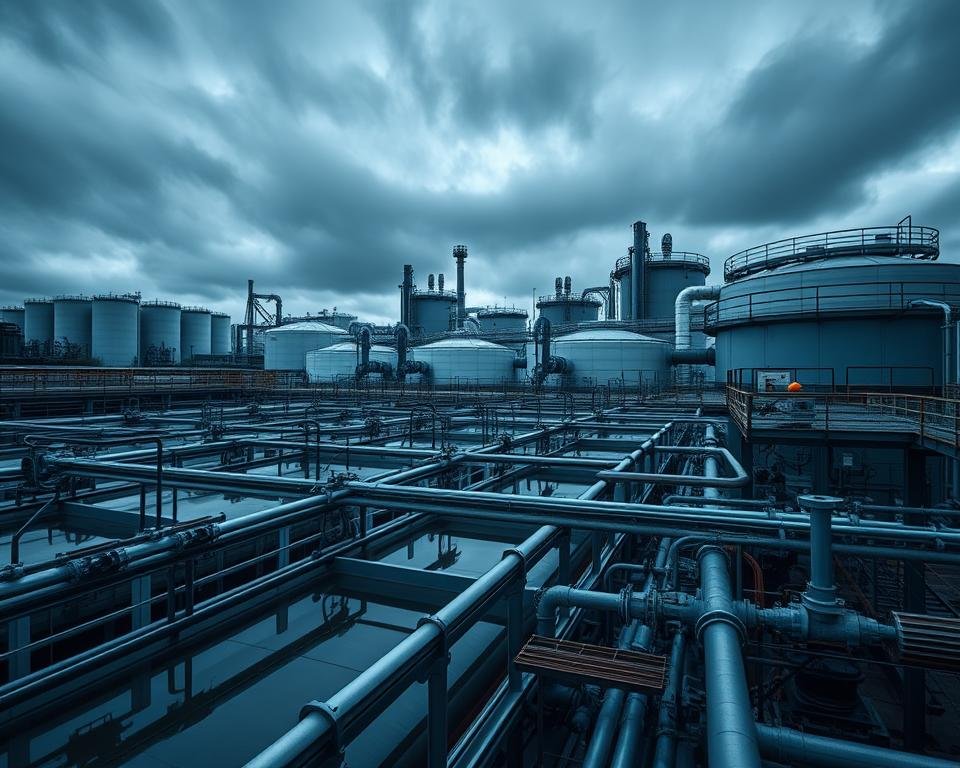
New ideas in this area cover a lot, from better filters to smart monitoring systems. These updates help make the water cleaner and improve aquaculture water quality management.
Advances in Filtration Techniques
There have been big steps forward in how we filter wastewater. These new methods take out more bad stuff, making the water cleaner and less harmful to the environment. Some of the main improvements are:
- Enhanced membrane filtration systems
- Advanced mechanical filtration methods
- Innovative bio-filtration techniques
Automation and Monitoring Systems
Adding automation and monitoring to wastewater treatment is a big step up. These systems let us check water quality in real time and adjust treatment as needed. This keeps everything running smoothly and meets all the rules.
Eco-Friendly Solutions
More people are looking at green ways to treat wastewater. This includes using natural methods like wetlands and making treatment systems out of biodegradable stuff. These green options are good for the planet and can save money too.
As the aquaculture industry keeps growing, using these new wastewater treatment technologies is vital. It’s all about growing in a way that’s good for the planet.
Selecting the Right System for Your Farm
As an aquaculture farmer, picking the right effluent treatment system is key. It affects my farm’s environmental impact a lot. I need to think about several things to find the best system for my farm.
The size and type of my farm are important when choosing effluent treatment technology. A small farm might need a simple, affordable system. But a big commercial farm might need something more complex to handle more waste.
Assessing Farm Size and Type
First, I need to figure out my farm’s size and type. I have to know how much waste it makes and what’s in it. Different farming methods, like RAS or ponds, produce different kinds of waste. I need to pick a system that fits these needs.
Budget Considerations
My budget is also a big deal. Effluent treatment systems can cost a lot, from cheap to very expensive. I have to weigh the upfront cost against the long-term savings and environmental benefits.
Looking for government or organization help is smart. Many offer money or support for green aquaculture practices.
Scalability of Solutions
Lastly, the system’s ability to grow with my farm is key. A system that can expand with my farm saves money in the long run. I won’t have to replace it as my farm gets bigger.
In short, picking the right effluent treatment system for my farm is all about size, budget, and growth. By choosing wisely, I can protect the environment and keep my farm running smoothly for years.
Challenges in Effluent Treatment in Aquaculture
Effluent treatment in aquaculture is a complex issue. It needs careful thought and planning. As aquaculture grows, managing effluent well becomes more critical.
Managing Chemical Residues
Dealing with chemical residues is a big challenge. These come from feed additives, antibiotics, and other chemicals. It’s vital to manage them well to avoid pollution and keep aquaculture sustainable.
Efficient strategies for managing chemical residues include:
- Implementing best practices for chemical use
- Monitoring water quality regularly
- Adopting alternative, eco-friendly treatments
Ensuring Regulatory Compliance
Following regulations is another big challenge. Aquaculture must follow many rules to protect the environment and public health. Breaking these rules can lead to big fines and harm to reputation.
“Regulatory compliance is not just about avoiding penalties; it’s about demonstrating a commitment to environmental stewardship and sustainability.” –
Adapting to Changing Environmental Regulations
The aquaculture industry must keep up with changing environmental rules. These rules differ by region and country. Keeping up with these changes and adjusting treatment practices is key for compliance and sustainability.
The key to successful adaptation lies in:
- Regularly reviewing and updating treatment processes
- Investing in flexible, scalable treatment technologies
- Engaging with regulatory bodies and industry associations
Case Studies: Successful Implementations
Looking at case studies of effluent treatment in aquaculture helps us learn what works and what doesn’t. These examples show us the best ways to treat effluent and the common problems that come up.
Example of a Small Aquaculture Operation
A small farm in the United States used a low-cost, biological treatment system. This method used natural processes to cut down waste and improve water quality. It shows that even small farms can treat effluent well.
The farm chose this system to follow local environmental rules and stay profitable. They greatly reduced waste, making their aquaculture more sustainable.
Large-Scale Effluent Treatment Solutions
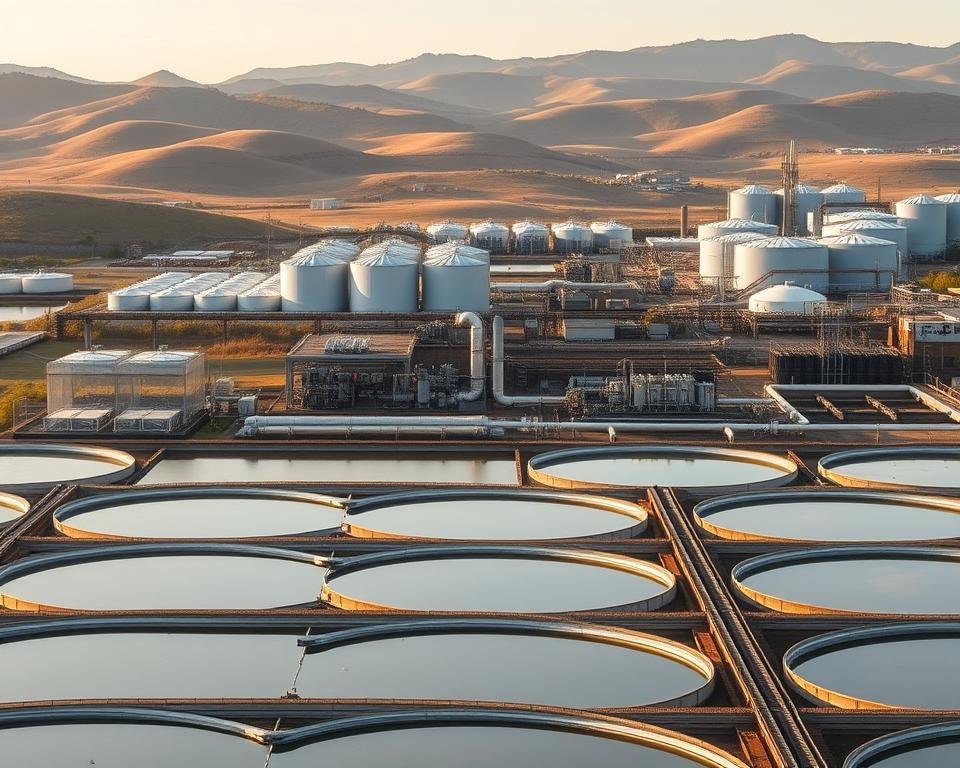
A big aquaculture farm needed a more complex system. It had mechanical, biological, and chemical stages to handle a lot of waste.
This system not only met but beat the environmental standards. It shows how advanced tech can lessen harm to the environment. The design followed sustainable aquaculture practices for long-term care of the environment.
Lessons Learned from Past Projects
Studying these cases teaches us important lessons for future projects. We learn the value of customizing the treatment system for each farm’s needs and size.
Also, we see the need for constant checks and upkeep to keep the systems working well. By using these lessons, farms can make their effluent treatment systems better. This helps them follow more sustainable aquaculture practices.
Maintenance and Operation Best Practices
To keep aquaculture effluent treatment systems working well, following best practices is key. Good maintenance and operation help reduce environmental harm and meet legal standards.
Routine Checks and Balances
Regular checks are important to spot problems early. Look for wear on parts, check if biological processes are working, and make sure systems are running right.
- Daily monitoring of water quality parameters
- Weekly inspections of mechanical equipment
- Monthly checks on biological treatment efficacy
These routine checks help avoid system failures and keep treatment systems running smoothly.
Training for Farm Staff
Training farm staff well is essential for effective system operation. They need to know about effluent management, how to use treatment systems, and what to do in emergencies.
Key training areas include:
- Understanding effluent treatment processes
- Operating and maintaining equipment
- Responding to system alarms and failures
Record Keeping and Data Management
Keeping accurate records is vital for tracking system performance and showing legal compliance. This includes water quality tests, maintenance records, and staff training.
| Record Type | Frequency | Purpose |
|---|---|---|
| Water Quality Tests | Daily/Weekly | Monitor treatment efficacy |
| Maintenance Activities | Weekly/Monthly | Ensure system reliability |
| Staff Training Records | As needed | Verify staff competency |
By sticking to these best practices, aquaculture farmers can make sure their systems work well. This reduces environmental harm and meets legal standards.
Future Trends in Aquaculture Effluent Treatment
The future of aquaculture effluent treatment is looking bright. New technologies and fresh ideas will shape the industry. It’s key to keep up with these trends to lead the way.
Advancements in AI and Machine Learning
AI and machine learning will make effluent treatment systems better. They will work more efficiently and predict when maintenance is needed. This will help manage water quality better.
By using data analytics and predictive modeling, farmers can make smart choices. They can prevent problems before they start.
Closed-Loop Systems
Closed-loop systems are becoming more popular. They allow water to be reused and recycled. This cuts down on waste and reduces the environmental impact of aquaculture.
Using closed-loop systems can also save money. It’s a great way for farmers to be more sustainable and cost-effective.
Emphasis on Sustainability
The future of aquaculture effluent treatment will focus on being green. As people care more about the environment, farmers must too. They need to reduce their environmental impact.
This focus on sustainability will lead to new, eco-friendly technologies. These might include natural processes and biodegradable materials.
Conclusion: The Path Forward for Aquaculture Effluent Treatment
Effective effluent treatment is key for aquaculture’s future. It helps reduce environmental harm and supports eco-friendly farming.
Key Takeaways
Aquaculture farmers can protect the environment by using best practices for effluent treatment. This improves their operations and helps the industry grow sustainably.
Action for a Sustainable Future
I urge farmers to use effluent treatment systems that lessen environmental harm. This move ensures a healthy environment and a strong aquaculture industry.
Embracing Sustainable Practices
Let’s join forces to adopt sustainable practices. We can use new effluent treatment technologies to build a better future for aquaculture.

 Integrated Multi-Trophic Aquaculture (IMTA): A Sustainable Approach
  Antibiotic Use in Aquaculture: Navigating the Challenges
  Responsible Sourcing of Seafood: A Guide to Sustainable Choices
  Biodiversity Protection in Fish Farming
  Aquaculture Certification and Standards: Ensuring Quality and Sustainability
  Sustainable Aquaculture Practices: Balancing Productivity and Sustainability