


Aquaculture experts know that effective water management is key to high yields. Poor water quality can cause big losses in fish and shellfish farming.
I’ve worked in aquaculture and seen how good water exchange boosts growth and productivity. The right water management strategies make a big difference. They help keep your aquatic stock healthy.
Knowing the value of water exchange is the first step to better yields. In this article, I’ll share my best tips for improving productivity through smart water management.
Key Takeaways
- Understand the importance of water exchange in aquaculture
- Learn effective water management strategies for boosting yields
- Discover how to create a healthier environment for your aquatic stock
- Improve growth rates and overall productivity
- Maximize your aquaculture production with optimized water exchange
Understanding Water Exchange in Aquaculture
In aquaculture, knowing about water exchange is vital for better yields and sustainability. It’s about replacing some of the water with fresh, quality water. This keeps water parameters right, which is key for your fish’s health.
Definition of Water Exchange
Water exchange means changing the water in aquaculture systems to keep it good. It removes waste and harmful stuff that can hurt fish. This makes a better place for fish and other sea creatures to live.
The rate and how often you change the water depends on many things. These include the system type, the fish, and the water quality. Good water exchange is key for sustainable aquaculture. It cuts down on harm to the environment and boosts production.
Importance for Aquatic Ecosystems
Water exchange keeps aquatic ecosystems in balance. It controls water temperature, salt levels, and more. This is important for fish health. It also stops toxins from building up and lowers disease risk, making the ecosystem stronger.
| Parameter | Importance | Impact of Water Exchange |
|---|---|---|
| Water Temperature | Critical for metabolic rates and growth | Helps maintain optimal temperature ranges |
| Salinity Levels | Affects osmoregulation and stress | Assists in maintaining appropriate salinity for species |
| Dissolved Oxygen | Essential for respiration and energy | Enhances oxygen levels through fresh water introduction |
By using good water exchange, aquaculture can get healthier and more productive. This helps sustainable aquaculture and makes it better for the environment.
Benefits of Water Exchange Strategies
Water exchange strategies in aquaculture have many benefits. They improve water quality and help keep fish healthy. Good water exchange is key for a healthy environment for fish, boosting aquaculture productivity.
Enhancing Water Quality
Water exchange techniques are vital for better water quality. They cut down on waste, excess nutrients, and pollutants in aquaculture systems. Regular water changes keep water parameters just right for fish health.
A study on the National Center for Biotechnology Information shows water quality is key. It prevents diseases and helps fish grow well.
Key benefits of enhanced water quality include:
- Reduced risk of disease outbreaks
- Improved growth rates
- Enhanced survival rates of aquatic stock
| Water Quality Parameter | Optimal Range | Impact on Aquatic Life |
|---|---|---|
| pH Level | 6.5-8.5 | Affects metabolic processes and stress levels |
| Ammonia (ppm) | <0.02 | Toxic to fish at high concentrations |
| Nitrite (ppm) | <0.1 | Can cause stress and reduce oxygen-carrying capacity |
Promoting Healthier Stock
Using the right water exchange techniques can make fish healthier. Healthier fish grow better and live longer. This means less need for vet visits and lower costs.
Aquaculture system design is important. It affects water flow, oxygen levels, and waste removal.
Effective water exchange is key to aquaculture success. It improves water quality and fish health. This leads to better yields and supports sustainable aquaculture.
Key Factors Influencing Water Exchange
Water exchange efficiency is affected by many important factors. Knowing these factors is key to better aquaculture production.
Temperature and Salinity Levels
Temperature and salinity are key to water quality and fish health. Keeping the right temperature and salinity is essential for fish well-being.
Temperature controls how fast fish metabolize, and salinity affects their balance. Both must be managed during water exchange to avoid stressing fish.
Pond Design and Layout
The design and layout of ponds greatly affect water exchange efficiency. A well-designed pond improves water flow, reduces sediment, and boosts water quality.
| Pond Design Feature | Impact on Water Exchange |
|---|---|
| Pond Depth | Affects water volume and stratification |
| Inlet and Outlet Placement | Influences water circulation patterns |
| Pond Shape | Impacts water flow and sedimentation |
By optimizing these factors, aquaculture operators can greatly improve water exchange efficiency. This leads to better overall production.
Water Exchange Methods
Water exchange methods are key to aquaculture success. The right method can greatly affect water quality, fish health, and yield.
Continuous Flow Systems
Continuous flow systems constantly swap water between the farm and outside water. This keeps water quality high by removing waste and adding oxygen.
Advantages: These systems are great for sensitive fish that need clean water. They also support more fish in one area.
But, they need a lot of water all the time.
Batch Water Exchange
Batch water exchange replaces a part of the water at set times. It uses less water than continuous flow and can save energy.
Benefits: This method lets you control water conditions better. It’s good for places with little water.
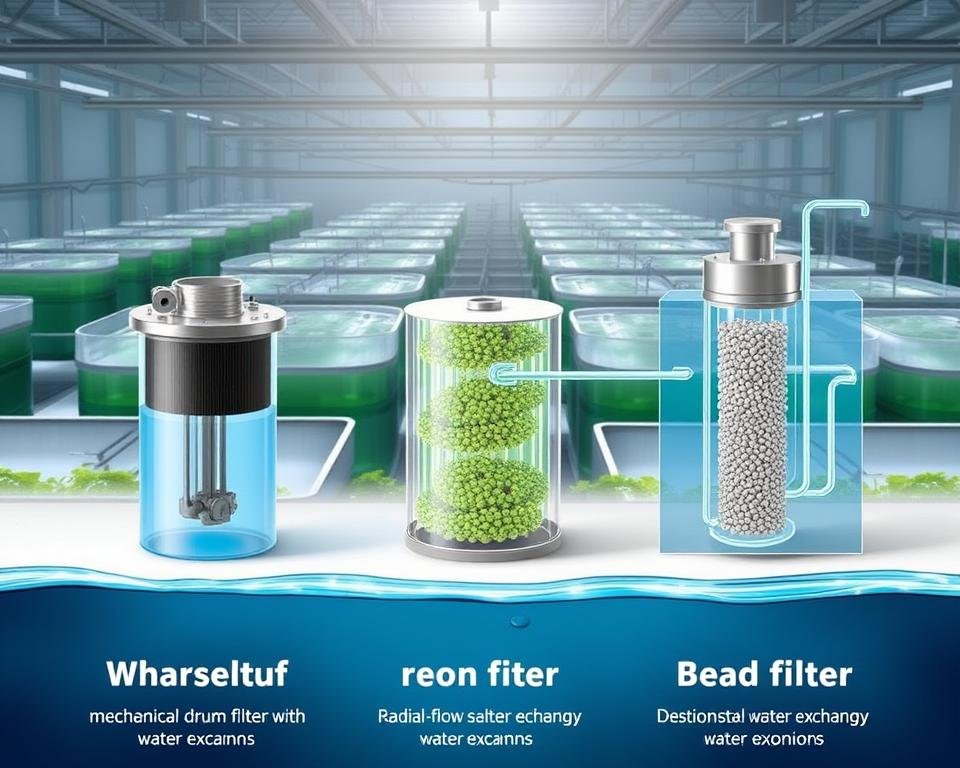
| Method | Water Usage | Energy Efficiency | Suitability |
|---|---|---|---|
| Continuous Flow | High | Low | Sensitive Species, High Stock Density |
| Batch Water Exchange | Moderate | High | Limited Water Supply, Controlled Environment |
Choosing between continuous flow and batch water exchange depends on your farm’s needs. Consider the fish type, water availability, and energy use. Aquaculture recirculating systems can help manage water better.
Best Practices for Effective Water Exchange
Effective water exchange is key for a healthy aquaculture environment. I’ll share some best practices to help you achieve this. These strategies will make your aquatic environment more stable and productive.
Monitoring Water Parameters
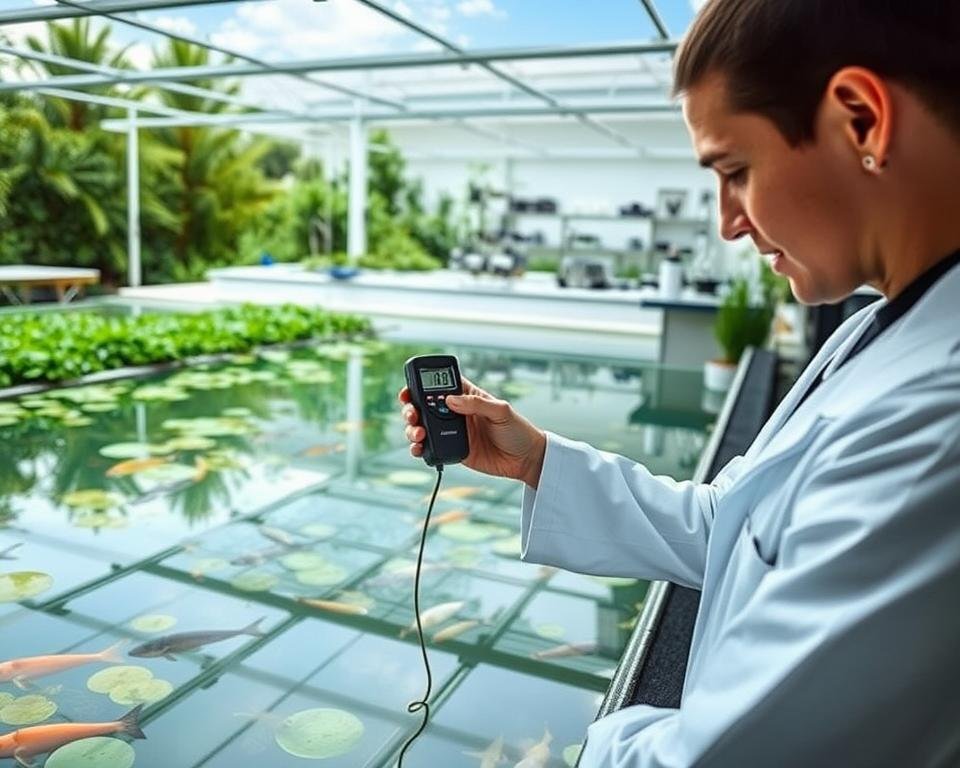
It’s vital to regularly check key water parameters like pH, ammonia, and nitrite levels. This helps spot issues early. Regular monitoring allows for timely interventions, which greatly improves your aquatic stock’s health.
Use both manual testing and automated systems to monitor water. This gives you a full picture of your water quality. It helps you make smart decisions about your water exchange strategy.
Scheduling Regular Exchanges
Regular water exchanges are essential for keeping water quality optimal. The exchange frequency depends on your operation size, aquatic stock type, and local water conditions.
By sticking to a regular water exchange schedule, you maintain a stable environment. This reduces water quality issues, leading to healthier stock and better productivity.
Think about when to do water exchanges. Exchanging water when your stock is less active can reduce stress on them.
Challenges in Implementing Water Exchange
Setting up water exchange in aquaculture faces several big hurdles. As the industry grows, it’s key to tackle these issues for its future. This ensures the industry stays sustainable.
Cost Considerations
One major hurdle is the cost of setting up a water exchange system. The initial investment in things like pumps and filters is high.
There are also ongoing costs like energy and maintenance. For example, the electricity needed to run pumps can add up fast.
Regulatory Compliance
Aquaculture must follow rules about water exchange. This includes keeping water quality and environmental impact in check. Meeting these standards can be tough, thanks to strict or changing laws.
To get a better grasp of these challenges, let’s look at a comparison of key factors:
| Challenge | Description | Impact |
|---|---|---|
| Cost | Initial investment and ongoing expenses | Financial strain on operations |
| Regulatory Compliance | Adhering to water quality and environmental regulations | Risk of non-compliance penalties |
| System Design | Optimizing aquaculture system design for efficiency | Impact on water exchange efficiency |
In summary, overcoming these challenges is vital for aquaculture’s success. By understanding these hurdles, operators can improve their water exchange systems.
Case Studies: Success Stories in Aquaculture
Aquaculture farms are seeing big improvements thanks to new water exchange methods. These changes are key for keeping farms running well and healthy.
Innovative Techniques in Use
Many farms are now using advanced water exchange methods. For example, some use continuous flow systems. This keeps water fresh and cuts down on waste.
Others switch to batch water exchange. This means they replace a lot of water in the ponds at once. It helps keep water quality high and fish healthy.
Real-World Results and Metrics
The success of these methods is clear in the results from different farms. Here’s a table showing some of these successes:
| Farm | Water Exchange Method | Yield Increase | Water Quality Improvement |
|---|---|---|---|
| Farm A | Continuous Flow | 25% | Significant reduction in waste |
| Farm B | Batch Exchange | 30% | Improved dissolved oxygen levels |
| Farm C | Hybrid System | 40% | Enhanced overall water quality |
An industry expert says, “Good water exchange is key to modern aquaculture success. It’s not just about more fish; it’s about a healthy environment for them.”
“The future of aquaculture lies in our ability to innovate and adapt water exchange techniques to meet the growing demands of the industry while ensuring environmental stewardship.”
These success stories show how water exchange can boost aquaculture. By using new methods and tech, the industry can keep getting better and more sustainable.
Technological Advances in Water Exchange
Technology is changing the way we farm fish and shellfish. New tech is making water exchange better, cheaper, and more sustainable. This is key for the future of aquaculture.
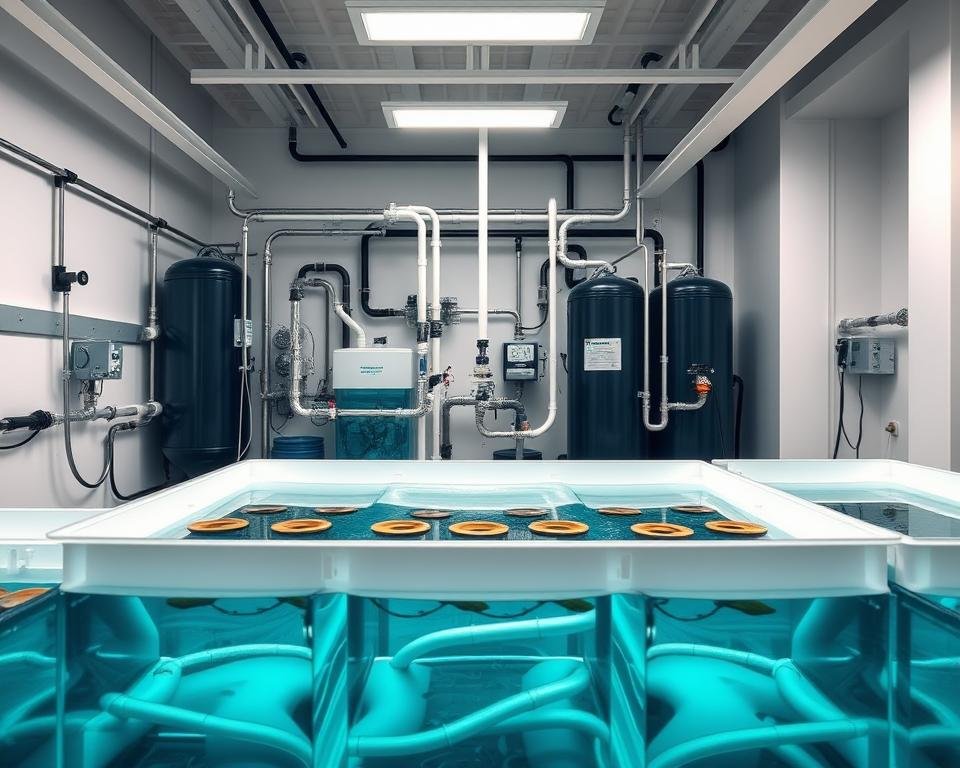
Automated Systems
Automated systems are a big step forward in water exchange. They let us monitor and control water exchange in real-time. This keeps the water perfect for fish and shellfish.
Experts say these systems have changed water management. They make it precise and consistent. This was hard to do before.
Automated systems in aquaculture are working well. They improve water quality and cut down on waste. This helps farmers do better and save money.
Data Analytics for Optimization
Data analytics is also key for better water exchange. It helps farmers make smart choices based on water quality and exchange rates. This way, they can improve their farms.
Data analytics can track water exchange rates. It helps adjust them for the best care of fish and shellfish. This makes farming more sustainable.
The aquaculture industry is getting better with these new technologies. Automated systems and data analytics will lead to better water exchange. Farmers will save money, reduce harm to the environment, and do well financially.
Future of Water Exchange in Aquaculture
The aquaculture industry is growing fast. It’s important to think about the future of water exchange. Good water exchange keeps the water quality high, which is key for the health and growth of fish and other sea creatures.
Using sustainable water exchange methods is key for the future of aquaculture. This means finding ways to reduce harm to the environment while increasing production. By doing this, aquaculture can be more eco-friendly and help the planet.
Advancements in Sustainable Practices
New research and tech are making water exchange better. Things like automated systems and data analysis help make water exchange more efficient. These improvements are vital for keeping the water quality high and the sea creatures healthy.
Ongoing Research and Developments
There’s always new research and tech coming out for water exchange in aquaculture. Keeping up with these changes helps aquaculture professionals stay ahead. I think embracing these new ideas will be essential for the success of aquaculture in the future.

 Ammonia and Nitrite Control in Aquaculture
  TSS Removal: Keeping Your Water Clean and Clear
  Achieve Ideal Water pH for Aquaculture Farming
  Optimize Your Biofiltration System with the Right Media
  Water Recirculation Best Practices in Aquaculture
  Mastering Salinity Management in Aquaculture