


Aquaculture experts know how vital water quality is for fish and other sea creatures. High levels of ammonia and nitrite can be devastating, causing big losses. I’ve seen how bad water management can hurt aquaculture operations.
It’s key to manage these levels well. As an aquaculture pro, keeping ammonia and nitrite levels in check is vital. It helps keep the water quality right and keeps your sea creatures healthy.
Key Takeaways
- Understanding the importance of ammonia and nitrite control.
- Practical strategies for maintaining optimal water quality.
- The role of water management in aquaculture.
- Best practices for minimizing ammonia and nitrite levels.
- The impact of poor water quality on aquatic species.
Understanding Ammonia and Nitrite in Aquaculture
Keeping water quality right in aquaculture means knowing about ammonia and nitrite. These two are connected through the nitrogen cycle. This cycle is key for the health of fish and other sea creatures.
The Nitrogen Cycle Explained
The nitrogen cycle changes ammonia (NH3) into nitrite (NO2–) and then nitrate (NO3–). This change is helped by good bacteria in the system.
The Role of Ammonia and Nitrite
Ammonia and nitrite are harmful to fish and sea life, even in small amounts. Ammonia toxicity in fish can stress them, harm their gills, and even kill them. Nitrite stops fish from getting oxygen, leading to “brown blood disease.”
Sources of Ammonia and Nitrite in Aquaculture
Ammonia comes from fish waste, rotting food, and other organic stuff. Knowing where these come from is key for good aquaculture water quality management.
| Source | Description | Impact |
|---|---|---|
| Fish Waste | Excreta from fish | Direct source of ammonia |
| Decomposing Feed | Uneaten food decaying | Increases ammonia levels |
| Organic Matter | Dead plants and animals | Contributes to ammonia and nitrite |
Knowing about the nitrogen cycle and how ammonia and nitrite work in aquaculture helps. It lets operators keep their water healthy for their fish.
The Importance of Monitoring Water Quality
Keeping an eye on water quality is key to avoiding ammonia and nitrite spikes. These can harm fish and other sea creatures. As someone who works with fish, I know how vital it is to keep the water just right.
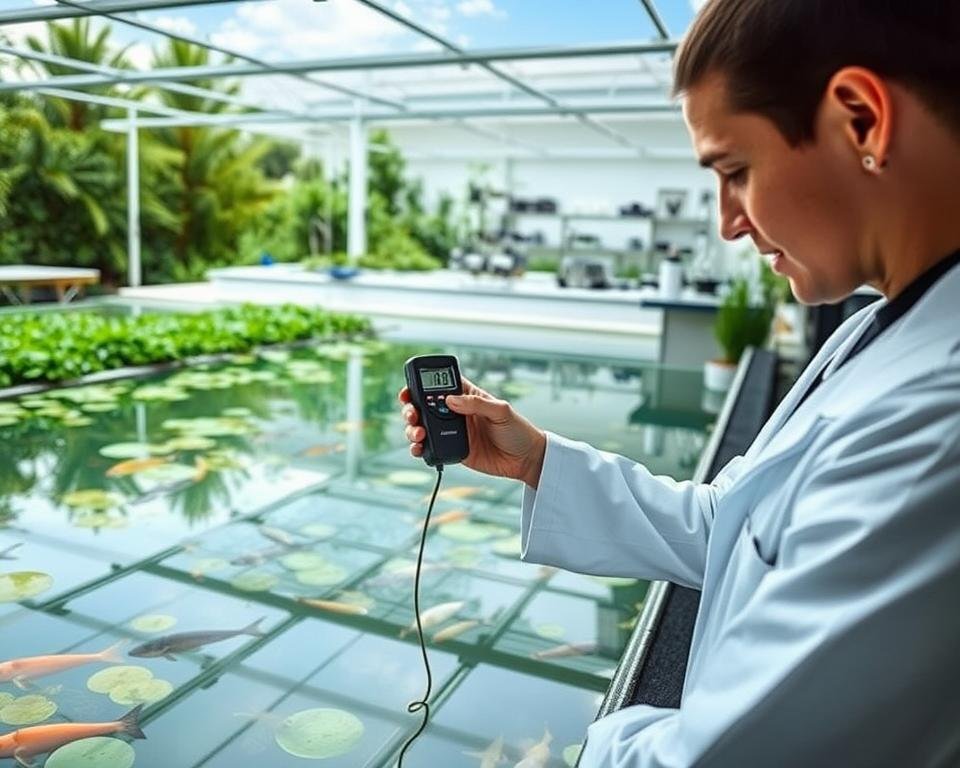
Tools for Testing Ammonia and Nitrite Levels
To check water quality, I use different tools. These tools help me see how much ammonia and nitrite are in the water. Here are some of them:
- Test kits that give fast and accurate readings of ammonia and nitrite levels.
- Continuous monitoring systems that let me watch water quality in real-time.
- Laboratory analysis for deeper water quality checks.
With these tools, I can spot problems early and fix them. This keeps the water quality perfect for fish and other sea creatures.
Recommended Water Quality Parameters
Knowing the right water quality levels is important. It keeps the environment healthy for sea creatures. Here are some key levels to watch:
| Parameter | Recommended Range |
|---|---|
| Ammonia (NH3) | 0-0.02 mg/L |
| Nitrite (NO2-) | 0-0.1 mg/L |
| pH | 6.5-8.5 |
Keeping these levels in check helps me keep fish and other sea creatures healthy.
Frequency of Testing in Aquaculture
How often to test water quality depends on a few things. It’s based on the type of sea creatures, the size of the system, and the production stage. Generally, I test water quality once a week.
But, I test more often during busy times or when introducing new species.
Important things to think about when deciding how often to test include:
- Watching water quality closely during busy times.
- Changing how often you test based on what the water shows.
- Using systems that give you updates on water quality as it happens.
Effects of High Ammonia Levels on Aquatic Life
High ammonia levels are a big threat to fish and other sea creatures in aquaculture. It’s important to know how ammonia affects their health. This helps keep their environment safe and healthy.
Short-term Impacts on Fish Health
High ammonia can stress fish, slow their growth, and make them sick easier. This is bad news for fish in crowded tanks or under stress.
Acute ammonia toxicity can hurt fish badly right away. It can damage their gills, eyes, and skin. Fish might act tired, stop eating, and breathe fast.
Long-term Consequences for Aquaculture Systems
Long-term exposure to ammonia can hurt aquaculture systems a lot. It can lower productivity and increase death rates. Fish exposed to ammonia for a long time can get chronic stress. This weakens their immune system, making them more likely to get sick.
| Ammonia Level (ppm) | Short-term Effects | Long-term Effects |
|---|---|---|
| 0.1-0.5 | Stress, reduced growth | Chronic stress, impaired immune system |
| 0.5-1.0 | Gill damage, lethargy | Increased mortality, reduced productivity |
| >1.0 | Severe health issues, mortality | System collapse, significant losses |
It’s key to watch and control ammonia levels to avoid these problems. Regular water checks and keeping water quality right are vital. They help protect fish from ammonia’s dangers.
Impact of Nitrite on Aquatic Species
It’s key to know how nitrite affects aquatic life for healthy aquaculture. Nitrite can harm in various ways, based on the species and its environment.
Acute vs. Chronic Nitrite Toxicity
Nitrite toxicity has acute and chronic forms. Acute nitrite toxicity happens when species face high nitrite levels quickly, causing immediate harm. Chronic nitrite toxicity comes from long exposure to lower nitrite levels, damaging health over time.
The table below shows the main differences between acute and chronic nitrite toxicity:
| Toxicity Type | Exposure Duration | Nitrite Level | Effects on Aquatic Species |
|---|---|---|---|
| Acute | Short-term | High | Immediate harm, mortality |
| Chronic | Long-term | Low to moderate | Reduced growth, impaired health |
Vulnerability of Different Species
Species vary in how they react to nitrite. Some fish are more resistant than others. Knowing this helps in managing water in aquaculture.
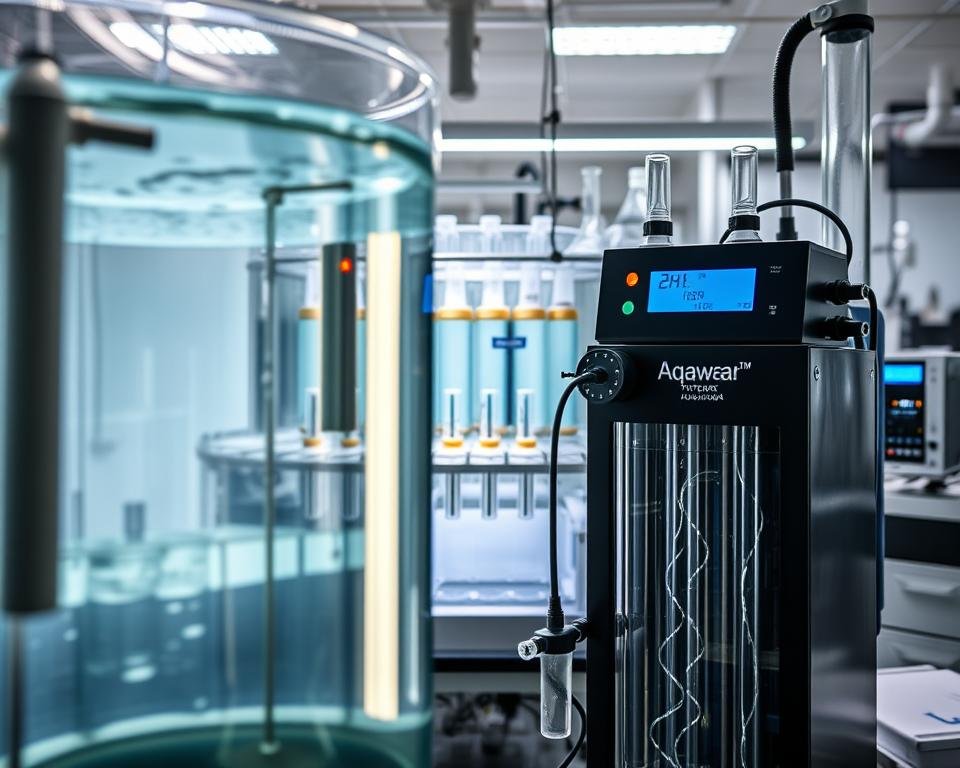
Understanding each species’ needs helps in fighting nitrite toxicity. This might mean changing water treatment, watching nitrite levels, and using methods to lower nitrite in the system.
Methods for Controlling Ammonia Levels
To keep aquatic life healthy, it’s key to control ammonia levels in aquaculture systems. Managing ammonia is complex and needs a mix of methods. These methods should fit the needs of the aquaculture setup.
Biological Filtration Systems
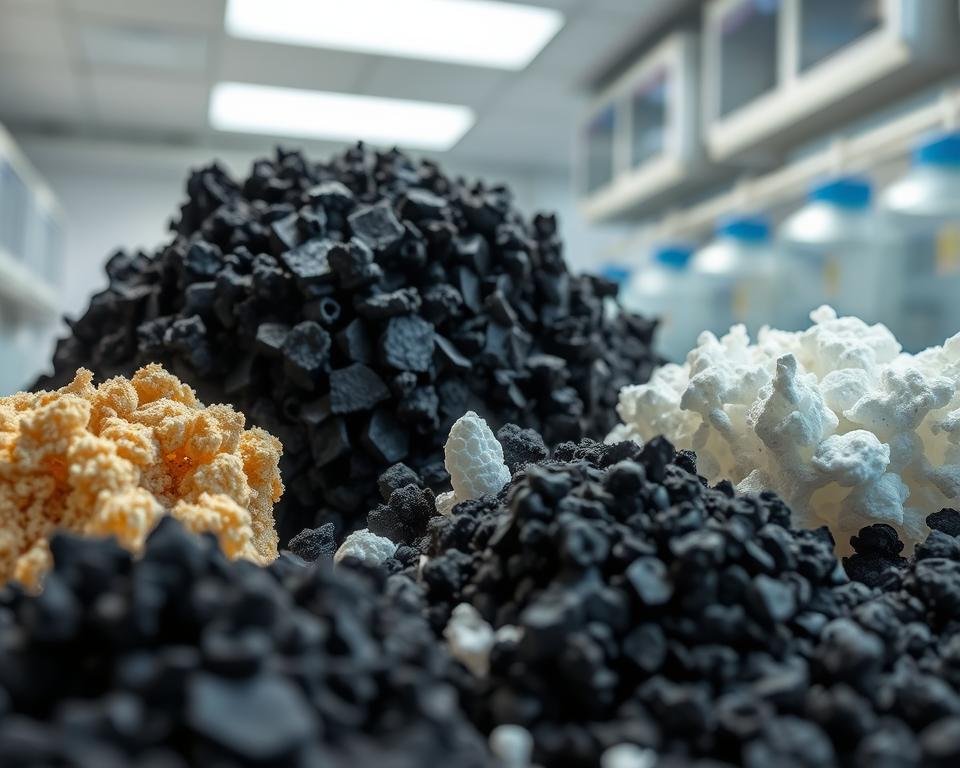
Biological filtration is vital for controlling ammonia. It uses good bacteria to change ammonia into safer forms. By giving these bacteria enough space, biological filters can lower ammonia levels a lot.
Key components of effective biological filtration include:
- Adequate surface area for bacterial colonization
- Sufficient oxygen supply to support bacterial activity
- Regular monitoring to ensure optimal filter performance
Use of Ammonia Detoxifiers
Ammonia detoxifiers are products that make ammonia less harmful. They can quickly help during ammonia spikes. This gives operators time to fix the main problem.
It’s important to pick detoxifiers that are safe for the fish and to follow the instructions well.
Regular Water Changes
Changing water regularly is a simple yet effective way to control ammonia. Replacing some water with fresh, ammonia-free water helps dilute ammonia.
The right amount and frequency of water changes depend on the fish density, filter efficiency, and water quality.
| Method | Description | Benefits |
|---|---|---|
| Biological Filtration | Utilizes beneficial bacteria to convert ammonia | Effective long-term solution, supports natural nitrogen cycle |
| Ammonia Detoxifiers | Chemical or natural products to neutralize ammonia | Quick response to ammonia spikes, safe when used correctly |
| Regular Water Changes | Dilutes ammonia concentration by replacing water | Simple and effective, improves overall water quality |
By mixing these methods and adjusting them for the aquaculture system, operators can manage ammonia well. This creates a better environment for their fish.
Strategies for Nitrite Control
To manage nitrite levels, understanding the nitrogen cycle is key. It affects aquatic life health. Several strategies help control nitrite levels in aquaculture systems.
Implementing a Nitrogen Cycle
A strong nitrogen cycle is vital for nitrite control. It converts ammonia to nitrite and then to nitrate. Beneficial bacteria do this work. To support these bacteria, keep water parameters like pH and temperature right.
Reducing Feed and Waste Accumulation
Less feed and waste help control nitrite levels. Too much can raise ammonia and nitrite. Good feeding and waste removal systems are key. They help avoid nitrite buildup.
Ways to cut waste include:
- Regular water changes
- Efficient feeding systems
- Monitoring water quality
Use of Bacterial Additives
Bacterial additives boost the nitrogen cycle and nitrite control. They contain helpful bacteria that convert ammonia and nitrite to nitrate. This keeps water quality good.
Follow the manufacturer’s guide when using these additives. Watch how your system reacts to ensure success.
Best Practices for Water Quality Management
Water quality is key for the health of fish in farms. Good management means following a few important steps. These steps help keep the water healthy for the fish.
Maintaining Optimal pH Levels
Keeping the right pH is very important. Most fish do best in water with a pH between 6.5 and 9.0. Regular checks are needed to keep the pH in this range. If it’s not, the fish can get stressed and sick.
To keep the pH right, I use buffering agents or adjust the water’s alkalinity. It’s also important to check the pH of the water coming in. This helps keep the system balanced.
| pH Range | Effect on Aquatic Life | Recommended Action |
|---|---|---|
| Below 6.5 | Stress and possible death | Increase pH with buffering agents |
| 6.5 – 9.0 | Best range for most fish | Check often |
| Above 9.0 | Stress and possible death | Lower pH by adjusting alkalinity |
Temperature Control for Aquatic Species
Temperature is also very important. Different fish need different temperatures to grow well. For example, trout like cooler water, while tilapia prefer warmer water.
To control the temperature, I use insulation, shading, or water heaters. It’s important to check the water temperature often. This helps avoid sudden changes that can harm the fish.
Aeration Techniques for Improved Oxygen Levels
Enough oxygen is vital for fish to live. Aeration helps increase oxygen levels. I use aerators, diffusers, or splash boards to improve gas exchange.
For more tips on keeping water quality good, check out Olympian Water Testing. Testing for ammonia and nitrite regularly is key. It helps keep the water healthy for the fish.
The Role of Aquatic Plants in Ammonia/Nitrite Control
Aquatic plants are key in keeping ammonia and nitrite levels balanced in aquaculture. They take in these nutrients, making the water safer for fish and other sea creatures.
These plants do more than just control harmful substances. They also add to the variety of life in the water. Plants like Water Hyacinth, Anacharis, and Cabomba grow fast and clean up extra nutrients.
Beneficial Plants for Aquaculture Systems
Choosing the right plants for aquaculture is important. Look for ones that remove ammonia and nitrite well and fit the water environment. Consider how fast they grow, their water needs, and their effect on water pH and temperature.
- Water Hyacinth: Grows quickly and cleans up heavy metals and extra nutrients.
- Anacharis: Grows fast and removes nitrates and ammonia from the water.
- Cabomba: Offers great cover for fish and keeps water clean by taking in extra nutrients.
Integration of Plants in Aquaculture Design
Adding plants to aquaculture needs careful planning. Plants can go in separate ponds or right in the tanks. The best method depends on the system’s needs and the plants used.
Here’s a look at how different plants handle ammonia and nitrite:
| Plant Species | Ammonia Removal Efficiency | Nitrite Removal Efficiency |
|---|---|---|
| Water Hyacinth | High | Moderate |
| Anacharis | Moderate | High |
| Cabomba | Moderate | Moderate |
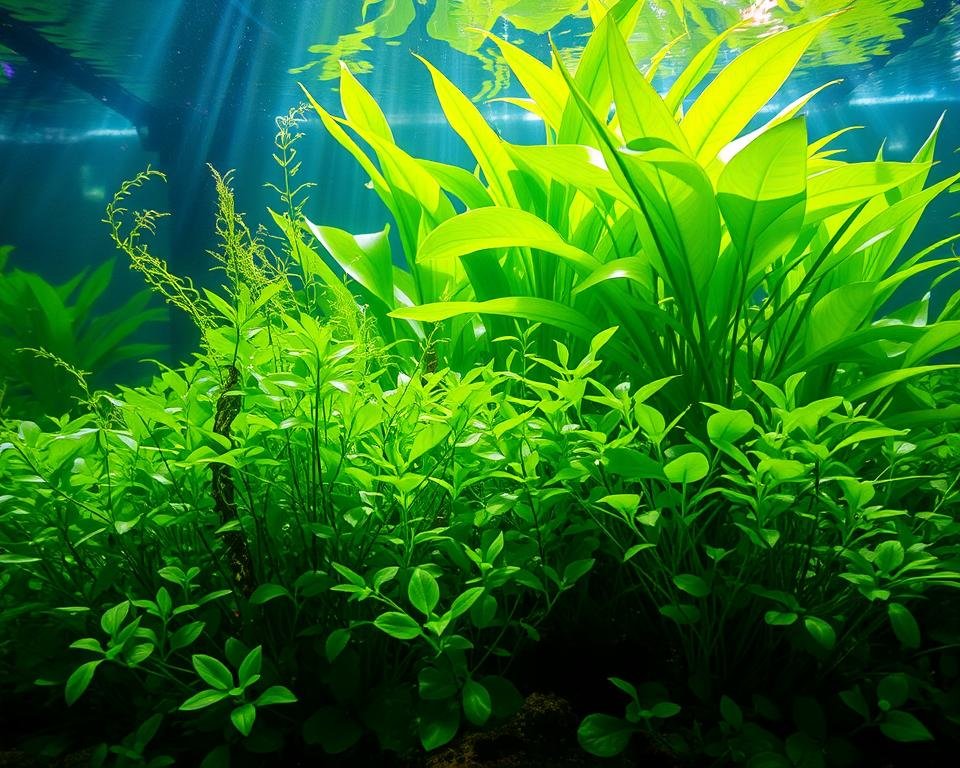
By adding plants to aquaculture, farmers can make their systems more balanced. This makes them less dependent on chemicals and more sustainable over time.
Innovative Technologies in Ammonia and Nitrite Control
New solutions are coming to solve the problem of ammonia and nitrite in aquaculture. As aquaculture grows, it’s more important to manage water quality well.
Advanced Filtration Methods
New ways to filter out ammonia and nitrite are being made. These include:
- Membrane Bioreactors (MBRs): MBRs mix biological treatment with membrane filtration. They are very good at removing pollutants.
- Moving Bed Biofilm Reactors (MBBRs): MBBRs give a big space for good bacteria to grow. This helps break down ammonia and nitrite.
- Advanced Oxidation Processes (AOPs): AOPs use oxidizing agents to break down organic pollutants. This includes ammonia and nitrite.
These new filters are key to keeping water quality high. They also help reduce the harm aquaculture can do to the environment.
Monitoring Systems Using Internet of Things (IoT)
The Internet of Things (IoT) is changing how we watch water quality in aquaculture. IoT systems let us track ammonia and nitrite levels in real time. This means we can act fast when needed.
| Feature | Traditional Monitoring | IoT-Based Monitoring |
|---|---|---|
| Real-time Data | No | Yes |
| Remote Access | Limited | Yes |
| Alert Systems | No | Yes |
IoT monitoring is better than old ways in many ways. It’s more accurate, lets us check in from anywhere, and sends alerts automatically. This helps aquaculture workers keep water quality right for fish and other sea creatures.
Case Studies on Successful Ammonia and Nitrite Management
Many aquaculture operations have found ways to deal with ammonia and nitrite toxicity. They use new methods and careful management. This helps keep their water healthy for fish.
Lessons Learned from Commercial Fisheries
Commercial fisheries have improved a lot in handling ammonia and nitrite. They use advanced water treatment systems. For example, some farms use recirculating aquaculture systems (RAS) to save water and cut down on harmful substances.
One farm switched to RAS and saw big improvements. Their ammonia levels dropped, and their fish got healthier. This shows how technology can help fish farming.
Research Insights from Aquaculture Laboratories
Labs have also helped us understand how to manage ammonia and nitrite. They found that some bacteria can lower nitrite levels. This helps prevent nitrite poisoning in aquaculture.
Research also points to the need for good water quality. Keeping the pH and temperature right helps protect fish from ammonia and nitrite. This makes the water safer for fish.
In summary, new tech and smart management have helped many farms control ammonia and nitrite. By studying these successes, the industry can keep getting better and more sustainable.
Future Trends in Aquaculture Water Quality Management
The aquaculture industry is on the verge of a big change. This change comes from better sustainable practices and genetic research. Keeping water quality high will be key.
New technologies are emerging to lower nitrite levels in aquaculture. These include advanced filters and monitoring systems. They help aquaculture operators manage water quality better.
Efficient Practices for a Sustainable Future
Using aquatic plants in aquaculture is becoming more common. These plants absorb extra nutrients, cutting down on chemical use.
Advancements in Genetic Research
Genetic research is a big hope for better fish health. It aims to create fish that can handle water quality changes better. This could lead to fewer diseases and higher productivity.
The aquaculture industry is growing, and managing ammonia and nitrite levels is essential. This will help keep the environment healthy and sustainable.

 TSS Removal: Keeping Your Water Clean and Clear
  Boost Aquaculture Yields with Effective Water Exchange
  Achieve Ideal Water pH for Aquaculture Farming
  Optimize Your Biofiltration System with the Right Media
  Water Recirculation Best Practices in Aquaculture
  Mastering Salinity Management in Aquaculture