


Did you know that bad water conditions can hurt your fish’s health a lot? As someone who loves aquariums, I’ve found out that keeping the water just right is key for your fish’s health.
With the right water quality tips, you can avoid problems and make a great home for your fish. In this article, I’ll share my best advice on keeping the water perfect for your fish and making sure they stay healthy.
Key Takeaways
- Understand the importance of maintaining optimal water conditions for your fish.
- Learn key parameters to monitor for healthy aquarium water.
- Discover best practices for maintaining a balanced aquatic environment.
- Implement effective tips to prevent common water quality issues.
- Create a thriving environment for your fish to flourish.
Understanding the Importance of Water Quality for Fish Health
Fish health depends on the water quality they live in. It’s vital to keep an eye on water parameters. Knowing what makes good water quality is key for a healthy fish environment.
How Water Quality Affects Fish Behavior
Water quality affects fish behavior a lot. Bad water can stress fish, making them act strangely. For example, pollutants can confuse fish or make them hide more.
Good water quality is not just about keeping your fish alive; it’s about creating an environment where they can thrive. The right water conditions help fish behave naturally and look their best.
The Role of Dissolved Oxygen
Dissolved oxygen is vital for fish. It helps them grow, reproduce, and stay healthy. Low oxygen can harm fish, making them more likely to get sick. It’s important to check oxygen levels and ensure good water flow.
“Adequate dissolved oxygen levels are fundamental for maintaining healthy fish populations.”
Impact of pH Levels on Fish Life
The pH level of the water is important for fish health. Each fish species prefers a certain pH range. If the pH is off, it can stress or even kill fish. Testing pH regularly and making adjustments helps keep fish healthy.
| pH Range | Effect on Fish | Recommended Action |
|---|---|---|
| 6.5-7.5 | Optimal for most freshwater fish | Monitor regularly, adjust as necessary |
| Below 6.5 | May cause stress in some species | Increase pH gradually if necessary |
| Above 7.5 | May be tolerated by some species, but can cause stress | Decrease pH gradually if necessary |
Understanding and managing water parameters can greatly improve fish health. Regular checks and upkeep are essential for a healthy aquatic home.
Key Parameters to Monitor in Your Aquarium
Keeping your aquarium healthy means watching a few important things. Testing the water quality is key to check on your fish and keep your tank healthy. By paying attention to these details, you can avoid problems and keep your fish happy and healthy.
Temperature and Its Effects
Temperature is super important in your aquarium. Most fish like a certain temperature, and big changes can be bad. Keeping the temperature steady is very important, even more so for sensitive fish. I suggest using a good thermometer to check the temperature and adjust it if needed.
Ammonia and Nitrite Levels
Ammonia and nitrite are bad for your fish. Ammonia comes from fish waste and decaying matter, and nitrite is what happens when bacteria break down ammonia. It’s important to test the water often to catch these problems early. If you find high levels, act fast. Regular water changes and a good filter can help keep these levels down.
Nitrate: The Silent Threat
Nitrate is another problem for your fish. It’s made when bacteria turn ammonia and nitrite into something else. Too much nitrate can stress, make fish sick, and even kill them. The best way to control nitrate is to change some of your tank water regularly. I recommend changing 10-20% of the water each week to keep nitrate levels safe.
Testing Your Water: Tools and Techniques
To keep your aquarium thriving, it’s essential to understand the tools and techniques for testing water quality. Regular testing helps you identify issues before they become major problems. This ensures a healthy environment for your fish.
Essential Water Testing Kits
A good water testing kit is your first line of defense against water quality issues. These kits usually include tests for pH, ammonia, nitrite, and nitrate levels. When choosing a kit, consider one that provides accurate and reliable results. Look for kits that include multiple test parameters and are easy to use.
Key Features to Look for in a Water Testing Kit:
- Multi-parameter testing
- Easy-to-follow instructions
- Accurate and reliable results
How to Collect Water Samples
Collecting a water sample correctly is key for accurate test results. Take a sample from the middle of the tank, avoiding the surface and substrate. Use a clean container and avoid contaminating the sample with foreign substances. It’s also a good idea to collect samples at the same time each day to ensure consistency.
Tips for Collecting Water Samples:
- Use a clean and dedicated container for sampling.
- Avoid sampling near filter outlets or aerators.
- Take samples at the same time daily for consistent results.
Interpreting Test Results
Once you have your test results, it’s essential to understand what they mean. Compare your results to the ideal ranges for your fish species. If your readings are outside these ranges, take corrective action. This might involve adjusting your filtration system, performing a water change, or adding specific treatments.
Understanding Test Results:
| Parameter | Ideal Range | Corrective Action |
|---|---|---|
| pH | 6.5-8.5 | Adjust pH levels using appropriate chemicals. |
| Ammonia | 0 ppm | Perform a water change, improve filtration. |
| Nitrite | 0 ppm | Perform a water change, improve filtration. |
By following these guidelines and using the right tools, you can maintain optimal water quality. This ensures the health and well-being of your fish.
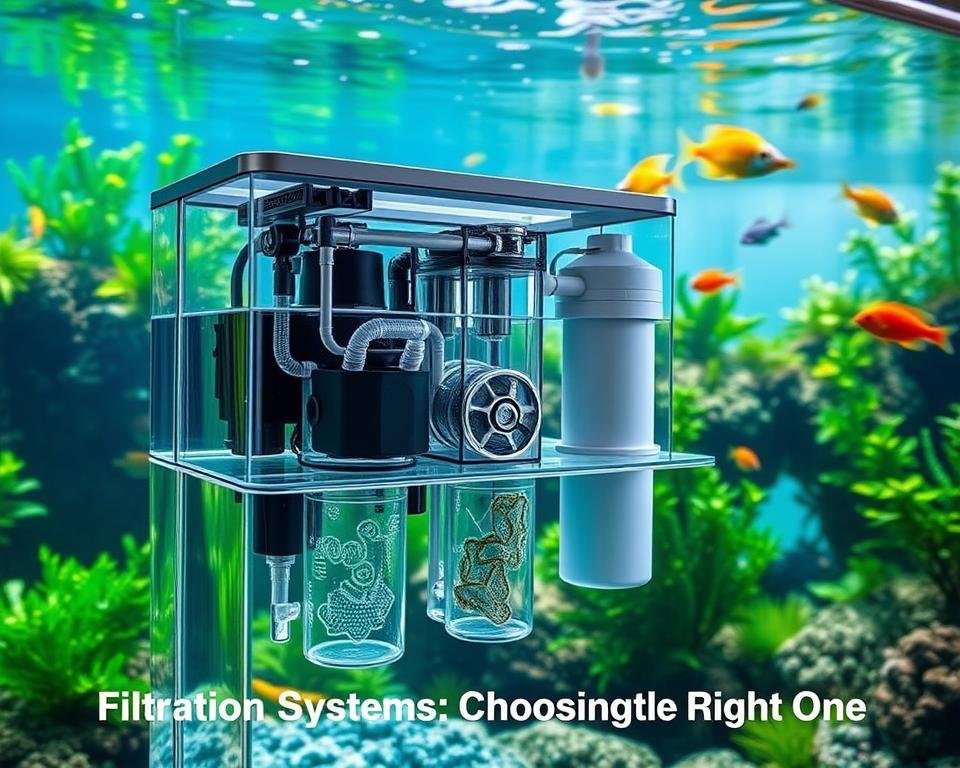
Filtration Systems: Choosing the Right One
A good filtration system is key to a healthy aquarium. It keeps the water quality high. The right system makes a big difference in keeping your fish and plants healthy.
Mechanical vs. Biological Filtration
It’s important to know the difference between mechanical and biological filtration. Mechanical filtration catches big particles and debris. Biological filtration breaks down toxins and waste with the help of good bacteria.
Mechanical filters use pads or sponges to catch debris. Biological filters use media like bio-balls for bacteria to grow.
Selecting the Best Filter for Your Tank
When picking a filter, think about your tank size, the fish you have, and how much upkeep you want. Here are some things to keep in mind:
- Tank size and volume
- Type of fish and their waste production
- Desired level of maintenance
- Noise level and visibility of the filter
Maintenance Tips for Filter Longevity
Keeping your filter clean is key to its performance. Here are some tips:
- Clean the filter media regularly, but don’t overdo it to keep the good bacteria.
- Change mechanical filter media when the manufacturer says to.
- Watch how your filter is doing and make changes if needed.
By following these tips and picking the right filter, you can keep your water clean. This supports healthy fish and plants, and helps with sustainable aquaculture practices.
Water Changes: How Often and How Much?
Keeping your fish healthy means keeping the water clean. Regular water changes are key. Knowing how often and how much to change helps keep your fish happy.
Best Practices for Performing Water Changes
Start by turning off any equipment that could get damaged. Use a gravel vacuum to clean the bottom. Then, siphon out the water you want to change. Replace it with fresh, dechlorinated water that’s the same temperature and pH as your aquarium.
Key steps for a successful water change include:
- Matching the new water’s temperature and chemistry to the existing aquarium water
- Using a gravel vacuum to remove debris and waste products
- Avoiding sudden changes that could stress your fish
Benefits of Regular Water Changes
Regular water changes are good for your aquarium. They remove waste and excess nutrients. This stops algae blooms, makes the water clearer, and keeps your fish healthy.
The benefits of regular water changes can be summarized as follows:
| Benefit | Description |
|---|---|
| Removal of Waste Products | Regular water changes help eliminate waste and toxins, keeping your aquarium clean. |
| Improved Water Clarity | By removing suspended particles, water changes can improve the clarity and appearance of your aquarium. |
| Disease Prevention | Reducing the concentration of pathogens and toxins helps prevent disease among your fish. |
Signs Your Fish Need a Water Change
Watch your fish and aquarium closely to know when a water change is needed. Look for signs of stress like labored breathing or lethargy. Also, check for cloudy or discolored water and too much algae.
Common indicators that a water change is needed:
- Visible stress in your fish, such as rapid breathing or hiding
- Cloudy or discolored water
- Excessive algae growth
The Impact of Chemicals and Treatments
It’s key to know how chemicals and treatments affect your fish’s health. These items are often needed to stop disease and keep water quality good in your tank.
Keeping your aquarium healthy means knowing about chemicals and treatments. They help stop fish disease prevention by fighting off parasites and bacteria.
Understanding Common Aquarium Chemicals
Aquarium chemicals fall into several groups. These include water conditioners, algae fighters, and medicines. Water conditioners, for instance, remove harmful stuff from tap water, making it safe for fish.
Some common chemicals in aquariums are:
- Water conditioners
- Algae control agents
- Medications for treating bacterial and parasitic infections
- pH adjusters
It’s important to know what each chemical does and how to use it right to keep your fish safe.
Safe Practices for Adding Treatments
When you add treatments to your tank, always follow the instructions closely. Too much can hurt your fish, and too little might not work.
Here are some safe ways to add treatments:
| Practice | Description |
|---|---|
| Read the instructions | Follow the maker’s instructions for how much and when to use. |
| Monitor water parameters | Check the water often to make sure the treatment doesn’t mess with it. |
| Observe your fish | Watch your fish for any signs of stress or bad reaction to the treatment. |
Avoiding Harmful Chemicals
Not all chemicals are safe for aquariums. Some can harm fish or upset the tank’s balance. Always avoid using chemicals not made for aquariums.
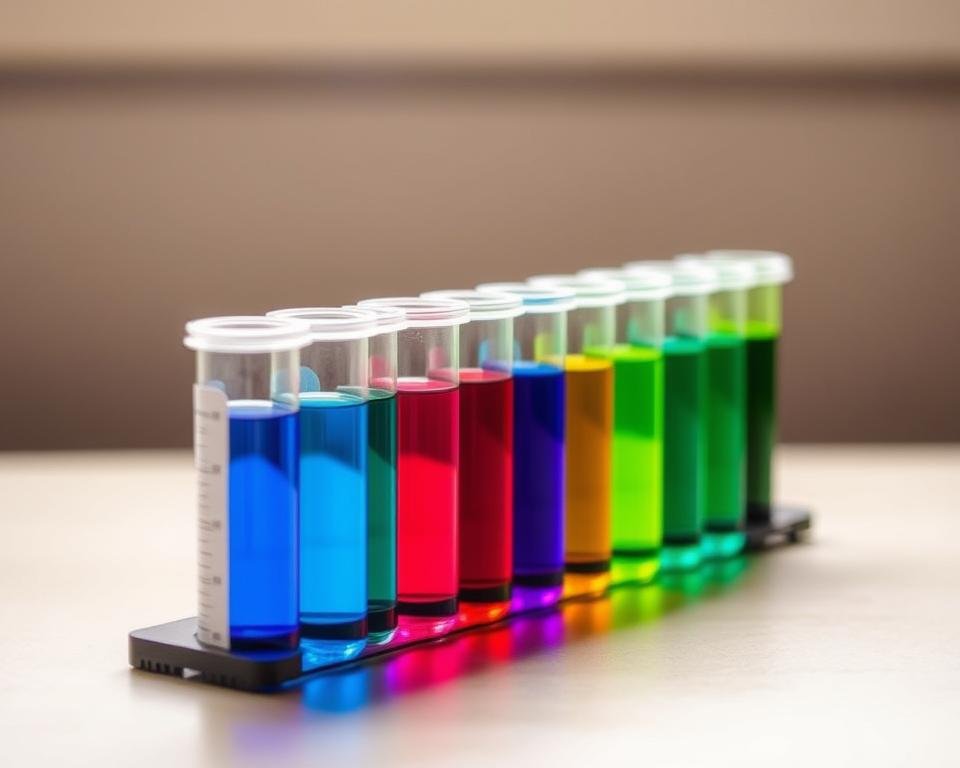
Regular water quality testing is key to keeping your tank water safe for fish. By understanding chemicals and treatments, you can keep your water perfect and your fish healthy.
Aquatic Plants and Their Role in Water Quality
Adding aquatic plants to your aquarium is a smart move for better water quality. These plants are not just pretty; they also help keep your aquarium healthy.
Benefits of Live Plants in Your Aquarium
Live plants bring many benefits to your aquarium. They help stabilize the aquatic environment by soaking up extra nutrients and making oxygen. This natural action helps keep the water fish-friendly, making it better for your fish to live.
Also, plants give fish places to hide and food to eat, boosting their health. By picking different plants, you can build a strong and varied ecosystem. This ecosystem supports the health of your fish.
Top Aquatic Plants for Beginners
Choosing the right plants can be tough for beginners. But, some plants are great for newbies because they’re easy to care for and hardy.
- Java Moss: A versatile and low-maintenance option that can thrive in a variety of conditions.
- Anubias: Known for its ability to grow in low-light conditions, making it perfect for aquariums with limited lighting.
- Cryptocoryne: A popular choice among aquarium enthusiasts, available in various species and relatively easy to care for.
How Plants Improve Water Conditions
Aquatic plants are key in making water better. They soak up nutrients like nitrates and phosphates, which can cause algae and bad water quality. Plants also make oxygen through photosynthesis, making the water healthier for fish.
By knowing how plants help with sustainable aquaculture practices, you can make your aquarium better. This not only helps your fish but also makes your aquarium look better.
The Effects of Overcrowding on Fish Health
Overcrowding can harm your fish’s health. It’s important to know the risks and prevent it. As an aquarium owner, you must address this issue.
Identifying Signs of Overcrowding
Spotting overcrowding signs is key to a healthy aquarium. Look out for:
- Aggressive behavior among fish
- Reduced growth rates
- Increased disease susceptibility
- Deterioration in water quality
Regularly check your fish and watch for these signs. This helps catch overcrowding early.
Proper Stocking Levels for Your Aquarium
Finding the right stocking level is vital for water quality. A good rule is 1-2 inches of fish per gallon. But, this can change based on fish size and type.
Think about the fish’s adult size and space needs. Learning about your fish’s needs helps you stock your tank correctly.
| Fish Type | Recommended Stocking Density | Adult Size |
|---|---|---|
| Guppies | 10-15 per 10 gallons | 1-2 inches |
| Angelfish | 1-2 per 20 gallons | 6-8 inches |
Stress Reduction Techniques
Keeping your fish stress-free is essential. Here are some ways to do it:
- Give them plenty of hiding spots and visual barriers.
- Keep water conditions stable through regular checks.
- Avoid sudden changes in water temperature or chemistry.
By using these methods and stocking correctly, you can keep your fish healthy. This reduces disease risk.
Regular fish health monitoring and aquatic organisms health assessment are key. They help spot problems early. Stay alert and proactive to keep your aquarium thriving.
Seasonal Changes and Their Impact on Outdoor Fish
As seasons change, outdoor fish face many challenges. These can affect their health and well-being. It’s important to know these changes to keep your fish healthy.
Preparing Your Pond for Seasonal Transitions
To get your pond ready for the seasons, check your equipment first. Make sure pumps and filters work well. Regular upkeep is key, more so in winter and summer’s extreme weather.
- Clean your pond well before winter to avoid harm from decaying debris.
- Think about using a pond heater or aerator to keep water temperature and oxygen levels right.
- In spring, do a full water change to remove toxins and refresh the water.
Temperature Fluctuations and Fish Health
Temperature changes can hurt fish health a lot. Most fish can’t handle extreme temperatures well. This stress makes them more likely to get sick.
To deal with temperature changes:
- Keep an eye on the water temperature.
- Use a thermometer to make sure the temperature is safe for your fish.
- Don’t put your pond in direct sunlight or near heating vents.
Algae Blooms: Prevention and Control
Algae blooms are common in outdoor ponds, more so in warm weather. They can use up oxygen in the water, which can be deadly for fish.
To stop and control algae blooms:
- Don’t overfeed your fish and remove any decaying plants to limit nutrients.
- Use algae-controlling products, but always follow the instructions.
- Add algae-eating fish or plants to your pond to naturally control algae.
Understanding seasonal changes and taking action can help keep your outdoor fish healthy. Regular water checks and good aquaculture practices are vital to prevent diseases and keep your fish well.
Dealing with Common Water Quality Issues
Water quality problems can happen in our aquariums and ponds, even with good care. It’s key to spot and fix these issues fast to keep our fish healthy.
Algal Blooms and How to Combat Them
Algal blooms turn water green and can harm fish. To fight them, find and fix the root causes like too many nutrients or bad lighting.
“Prevention is better than cure,” and this is true for algal blooms. Keeping water clean and a balanced ecosystem can stop these blooms before they start.
For more tips on fixing poor water quality, check out this resource on managing water quality well.
Cloudy Water: Causes and Solutions
Cloudy water can come from many things like bacteria, particles, or bad filters. To clear it up, find the cause and fix it.
Regular upkeep like cleaning filters and changing water helps avoid cloudy water. Also, good filters and flow keep water clear and healthy.
Preventing Fish Diseases through Water Management
Good water management stops fish diseases. Keeping water quality right lowers disease risks and keeps fish healthy.
Key water parameters to monitor include pH, ammonia, nitrite, and nitrate levels. Testing and adjusting water often keeps a stable, healthy space for fish.
“Healthy water, healthy fish.” Focus on water quality to make a great home for your fish.
Best Resources for Ongoing Education on Fish Care
Keeping up with the latest in fish care is key for a healthy aquarium. It ensures your fish live in water that’s good for them.
Recommended Educational Materials
Look into books and online courses on sustainable fish care and water quality. They offer insights into creating a balanced aquarium ecosystem.
Engaging with Local Fish Keeping Communities
Joining local fish keeping groups is a great idea. You can meet others, share tips, and learn from their experiences. These groups often have events and workshops that are very helpful.
Expert Advice from Aquatic Veterinarians
Talking to aquatic vets can give you tailored advice on water quality and aquarium challenges. Their knowledge is essential for your fish’s health.
Using these resources and keeping up with education will help you get better at fish care. This way, you can give your fish the best care possible.

 Common Fish Diseases: Causes, Symptoms, and Treatments
  Biosecurity in Aquaculture: Protecting Your Aquatic Assets
  Sustainable Fish Feed: Feeding Fish, Protecting the Planet
  Fish Stress Management: Keeping Your Aquarium Thriving
  Natural Immune Boosters for Aquaculture: Enhance Fish Health
  Crafting the Perfect Fish Feed Formulation