


As an aquaculture expert, I’ve seen how fish vaccination protocols boost fish health. The use of oil-based vaccines in the late 1980s cut down on antibiotics in salmon farming. With aquaculture growing worldwide, it’s key to have strong fish health management plans.
Knowing about fish vaccination protocols is essential for keeping fish healthy. Guidelines say to vaccinate salmon before they smoltify. Fish immunity also depends on the water temperature. For more on using vaccines wisely, check out the Responsible Use of Vaccines and Vaccination in Fish report.
Key Takeaways
- Vaccination is key for healthy fish populations.
- The immune response in fish depends on temperature.
- There are different ways to vaccinate fish, like immersion, oral, and injection.
- Vaccination plans change based on the vaccine and how it’s given.
- Good fish health management follows guidelines for vets and fish farmers.
Understanding the Importance of Fish Vaccination
Fish vaccination is very important for keeping fish healthy. It helps prevent diseases that can harm fish populations. I’ve seen how diseases can affect fish, and vaccination is key to keeping them healthy.
Why Vaccinate Fish?
Vaccinating fish is essential to stop diseases from spreading. It helps protect fish populations from diseases. This way, aquaculture operations can keep their fish healthy and safe.
Vaccines for fish work like they do for humans and animals. They help prevent diseases before they start. This saves money and helps the environment by avoiding big disease outbreaks.
Common Fish Diseases Targeted by Vaccines
There are vaccines for many fish diseases, including bacterial and viral ones. Some important diseases that vaccines target are:
- Aeromonas salmonicida, which causes furunculosis in salmonids
- Vibrio anguillarum, responsible for vibriosis in a wide range of fish species
- Infectious pancreatic necrosis virus (IPNV), a significant viral pathogen in salmonids
| Disease | Causative Agent | Fish Species Affected |
|---|---|---|
| Furunculosis | Aeromonas salmonicida | Salmonids |
| Vibriosis | Vibrio anguillarum | Various |
| Infectious Pancreatic Necrosis | IPNV | Salmonids |
Benefits of Vaccination for Aquaculture
Vaccination has many benefits for aquaculture. It helps prevent diseases and keeps fish healthy. Healthy fish grow better and handle stress better.
Key benefits include:
- Reduced mortality rates
- Improved growth rates
- Lower use of antibiotics and other chemicals
- Enhanced sustainability of aquaculture operations
Types of Vaccines Available for Fish
There are many vaccines for fish now, meeting various needs in aquaculture. The right vaccine depends on the fish type, disease, and aquaculture needs.
Inactivated Vaccines
Inactivated vaccines have killed pathogens. They are safe for fish and fight bacterial diseases. Inactivated vaccines are great for diseases like vibriosis and furunculosis. They help fish build immunity without getting sick.
Live Attenuated Vaccines
Live attenuated vaccines have weakened pathogens. They trigger an immune response without causing full disease. These vaccines offer strong, lasting immunity and are used for viral diseases. But, they need careful handling and storage.
DNA Vaccines
DNA vaccines use genetic material to fight diseases. DNA vaccines are promising for viral diseases in fish, like IHN. They make fish cells produce the antigen, leading to an immune response.
The growth of these vaccine types has improved aquaculture vaccination techniques and immunization strategies for fish. Knowing about these vaccines helps aquaculture experts choose the best immunization strategies for their fish. This protects against disease and keeps fish healthy.
Developing a Fish Vaccination Protocol
To create a good fish vaccination plan, you need to know a lot about keeping fish healthy. This means following a few important steps to make sure the vaccines work well.
Assessing Fish Health and Risks
The first thing to do is check how healthy your fish are and what dangers they face. Look for any signs of sickness and know which diseases are common in your area. Also, think about how the environment might affect their health.
Important things to think about include the water quality, how many fish you have, and if there are any diseases around. Knowing these things helps you decide if you need to vaccinate and what kind of vaccine is best.
Determining Vaccine Type and Timing
After checking your fish’s health and risks, you need to pick the right vaccine and when to give it. Different vaccines protect against different diseases. When you give the vaccine is also very important to make sure it works when it’s needed most.
For example, if you give the vaccine too soon, it might not work well when it’s needed. But if you wait too long, your fish might get sick before they’re protected. Planning carefully is key to getting the timing right.
Record-Keeping for Vaccination
Keeping good records is essential for a successful fish vaccination program. Accurate records help you track who got vaccinated, how they’re doing after, and if there are any problems. This helps you improve your vaccination plan over time.
Records should have information like the vaccine type, when it was given, how many fish got it, and any reactions after. Keeping detailed records lets you make better choices for future vaccinations.
Implementing the Vaccination Process
The success of a fish vaccination program depends on how well it’s done. It’s important to follow key steps to ensure the vaccine works right. This means the fish get the vaccine correctly and react well to it.
Preparing the Fish for Vaccination
Before giving the vaccine, it’s key to get the fish ready. This helps reduce stress and makes sure they can handle the vaccine. Studies show that careful handling is key for fish vaccination success (PMC11281524).
It’s important to handle fish gently to avoid stress. The water quality must be good, and the fish should be healthy. This helps the vaccine work better.
Dosage and Administration Techniques
Getting the right amount of vaccine and how to give it is very important. The amount needed depends on the vaccine type, fish size, and age. There are different ways to give the vaccine, like injection, immersion, or oral.
Injection vaccination is used for bigger fish and needs careful technique. Immersion vaccination is for smaller fish or fry, where they swim in a vaccine solution. Oral vaccination is when the vaccine is mixed into their food.
Monitoring Fish Post-Vaccination
After the vaccine, it’s important to watch the fish closely. Look for any bad reactions or how well the vaccine worked. This means checking for stress signs and how the fish’s immune system responds.
Regular checks help spot problems early. This is vital for keeping the fish healthy and adjusting the vaccination plan if needed.
Optimal Fish Vaccination Schedules
To get the most out of fish vaccination, knowing the best times to vaccinate is key. The timing of vaccination is vital for keeping fish healthy in aquaculture. By looking at species, seasons, and water conditions, you can make a vaccination plan that works well.
General Guidelines for Different Species
Different fish species react differently to vaccines. For example, salmonids and tilapia need different vaccines because of their growth rates and disease risks. It’s important to know these differences to plan vaccinations for each species.
Species-specific considerations include the fish’s age and size at vaccination time. Some fish need vaccines early, while others later in their life.
Seasonal Considerations in Vaccination
Seasonal changes can affect fish health and how well vaccines work. Water temperature is very important for vaccine success. Vaccines work best when water temperatures are just right for the fish species.
Seasonal vaccination strategies should match up with disease seasons and fish immune changes. Vaccinating before disease seasons can help fish stay healthy.
Adjusting Schedules Based on Water Conditions
Water conditions like temperature, pH, and salinity can stress fish and affect their immune system. It’s important to watch these conditions to adjust vaccination times. Vaccinating when fish are less stressed can make vaccines more effective.
- Monitor water temperature and adjust vaccination timing to coincide with optimal temperature ranges for the species.
- Consider the impact of seasonal changes on water conditions and fish health.
- Adjust vaccination schedules based on the specific needs of your fish population and the local aquaculture environment.
By carefully planning vaccination schedules, you can improve fish health. This leads to more sustainable and productive aquaculture.
Challenges in Fish Vaccination
Fish vaccination is complex and comes with its own set of challenges. It’s important to understand these challenges to develop effective vaccination strategies. This knowledge helps in improving fish health.
“The effectiveness of fish vaccines can be influenced by various factors, including water temperature, quality, and the presence of other diseases,” experts say. This shows the need for a detailed approach to fish vaccination.
Vaccine Efficacy and Environmental Factors
Vaccine efficacy is a big concern in fish vaccination. Environmental factors like water temperature and quality affect vaccine effectiveness. For example, some vaccines may not work well in extreme temperatures.
To tackle this, it’s wise to assess your aquaculture setup’s conditions. Choose vaccines that match those conditions. Consulting experts or researching the best vaccines for your situation is recommended.
Handling and Storage of Vaccines
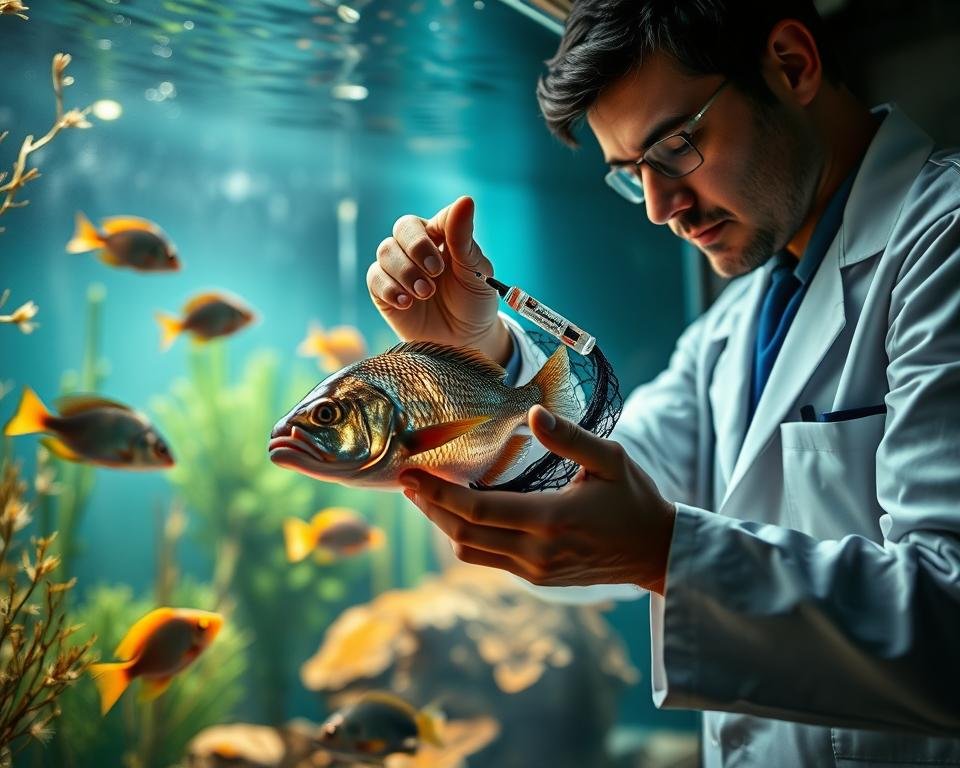
Proper handling and storage of vaccines are key to their effectiveness. This means storing them at the right temperature and handling them carefully to avoid damage.
Always follow the manufacturer’s guidelines for vaccine handling and storage. This helps prevent vaccine degradation, which can reduce their effectiveness.
Addressing Vaccine Reactions
Vaccine reactions can happen despite precautions. These reactions can be mild or severe and affect fish health.
To manage this, have a plan for vaccine reactions. Monitor fish closely after vaccination and have treatments ready for any adverse reactions.
Understanding fish vaccination challenges and addressing them can enhance vaccination programs in aquaculture. As the industry grows, staying updated on fish vaccination and disease prevention is vital.
Future Trends in Fish Vaccination
New ideas in vaccine making and worldwide views on fish health are changing fish vaccination. As the fish farming industry grows, it’s clear that keeping fish healthy is key.
Advances in Vaccine Development
Vaccine making for fish is getting better. New tech like DNA vaccines and recombinant vaccines are being made. These help fight fish diseases better and cut down on antibiotic use.
- DNA vaccines that offer high specificity and safety.
- Recombinant vaccines that can provide broad-spectrum protection.
- Vaccines designed for specific fish species and diseases.
Role of Technology in Vaccination
Technology is key in fish vaccination’s future. It helps make vaccines work better and get them to more fish. For example, new ways to give vaccines are making it easier to protect big groups of fish.
Global Perspectives on Fish Health Management
Worldwide, people are realizing how important fish health is. Groups are working together to create better fish health protocols. This work not only keeps fish healthy but also helps fish farming be more sustainable.
- International research collaborations to develop new vaccines.
- Global guidelines for fish health management.
- Sharing best practices in fish vaccination across countries.
By keeping up with these trends, fish farming experts can make better choices. This helps the whole industry grow in a healthy and productive way.
Case Studies in Successful Fish Vaccination
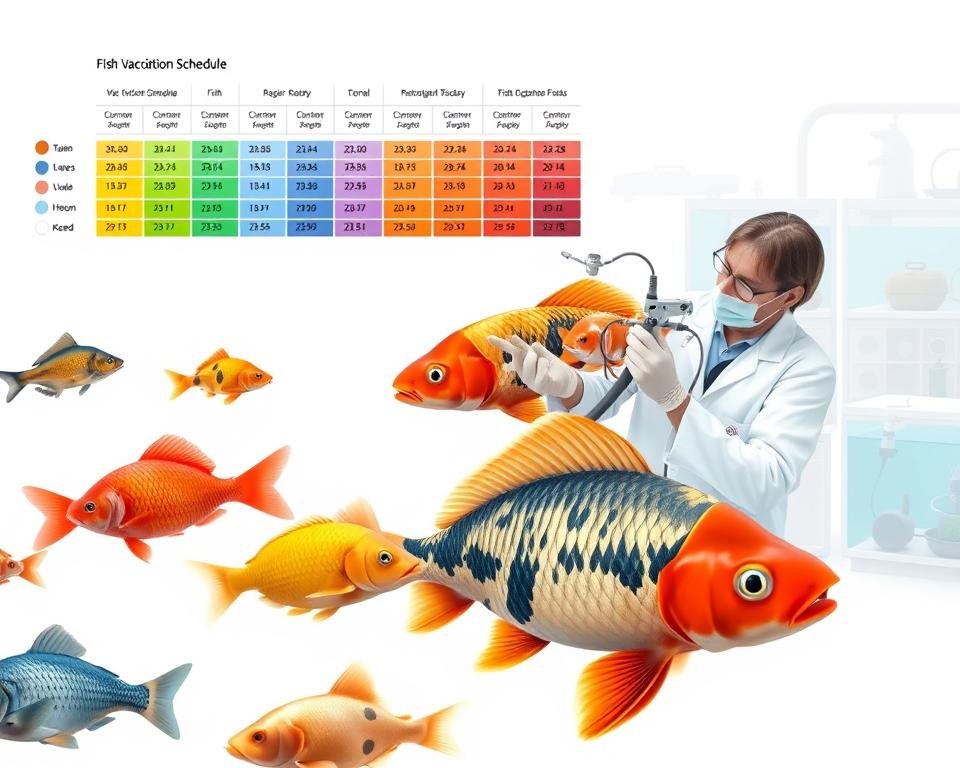
Looking at successful fish vaccination cases, we learn a lot. Aquaculture experts can find out the best ways to vaccinate fish. They also learn how to make effective vaccination schedules.
Success Stories from Aquaculture Farms
Many aquaculture farms have seen big drops in disease after using vaccines. For example, a salmon farm in Scotland cut 70% of bacterial kidney disease with an inactivated vaccine.
A tilapia farm in Asia also had success. They used a live attenuated vaccine and saw 50% less mortality from a viral disease. These stories show how picking the right vaccine is key.
Lessons Learned from Vaccination Failures
Not every vaccine effort works. But, studying failures teaches us a lot. For instance, a shrimp vaccine failed because of bad storage and handling.
Another failure was due to a vaccine not matching the disease. This shows the importance of correct vaccine handling and matching vaccine strains to local diseases.
Innovations Derived from Case Studies
Case studies have led to new fish vaccination methods. For example, oral vaccines make it easier to vaccinate many fish at once. New vaccine technology also makes fish immune systems stronger.
Also, using digital monitoring systems helps track fish health. This lets experts adjust vaccination plans in real-time. It makes vaccination programs more effective.
Resources for Fish Vaccination Support
Exploring fish vaccination protocols shows the importance of staying informed. For better aquaculture vaccination techniques, many resources are out there. They help in managing fish health effectively.
Guidance from Reputable Organizations
Groups like the World Aquaculture Society and the Aquaculture Stewardship Council offer advice. They share insights and updates on fish health management. This helps in keeping up with the latest research and technologies.
Educational Opportunities
Workshops and online courses are available from places like the University of California, Davis, and the Aquaculture Innovation Center. These resources keep aquaculture professionals updated on vaccination techniques.
Online Forums for Fish Health
Online communities, like those from the Fish Health Section of the American Fisheries Society, are great for sharing. They offer a space to ask questions and learn from others. Using these resources can improve your fish health management and connect you with the aquaculture community.

 Common Fish Diseases: Causes, Symptoms, and Treatments
  Biosecurity in Aquaculture: Protecting Your Aquatic Assets
  Sustainable Fish Feed: Feeding Fish, Protecting the Planet
  Fish Stress Management: Keeping Your Aquarium Thriving
  Natural Immune Boosters for Aquaculture: Enhance Fish Health
  Crafting the Perfect Fish Feed Formulation