


Aquarium hobbyists often face the challenge of dealing with fish health issues. Many fish fall ill each year. I’ve seen the impact of aquatic diseases on our aquatic pets.
It’s important to understand the causes, symptoms, and treatments of these diseases. For more information, resources like Chewy’s educational content are great. By being informed, fish owners can prevent and treat common fish diseases. This ensures a healthy environment for their pets.
Key Takeaways
- Regular water changes can prevent many fish diseases.
- Understanding the symptoms of aquatic diseases is key to effective treatment.
- Proper quarantine procedures can help prevent the spread of disease.
- Maintaining good water quality is essential for fish health.
- Early detection of disease symptoms can significantly improve treatment outcomes.
Understanding Fish Diseases
As an aquarium owner, knowing about fish diseases is key. These diseases can harm your fish. They are caused by pathogens like bacteria, viruses, and parasites.
What Are Fish Diseases?
Fish diseases are health problems that can affect fish. They are often caused by pathogens such as bacteria, viruses, and parasites. These issues can range from mild to severe. They can be triggered by poor water quality, stress, and bad nutrition.
Importance of Diagnosis
Getting a correct diagnosis is vital for treating fish diseases. Without it, finding the right treatment is hard. This can make the fish suffer for a long time and might lead to big losses.
To diagnose fish diseases, you need to look at them closely and sometimes do lab tests. Knowing how to diagnose is essential for managing and treating fish diseases well.
Common Fish Diseases Overview
Keeping your aquarium healthy means knowing about common fish diseases. These include parasitic, bacterial, and fungal infections. It’s key to understand these to treat your fish effectively and keep them healthy.
Parasitic Infections
Parasitic infections are a big problem in aquariums. They can really harm your fish. Ichthyophthirius multifiliis (Ich) is a common one, causing white spots on fish skin and fins. Other parasites like Costia and worms can also infect fish, making them tired and losing their appetite.
Bacterial Infections
Bacterial infections are contagious and can be deadly for fish. Columnaris disease is a common one, causing skin and fin lesions. Other infections like Furunculosis and Dropsy can also harm fish, causing swelling, tiredness, and loss of appetite.
Fungal Infections
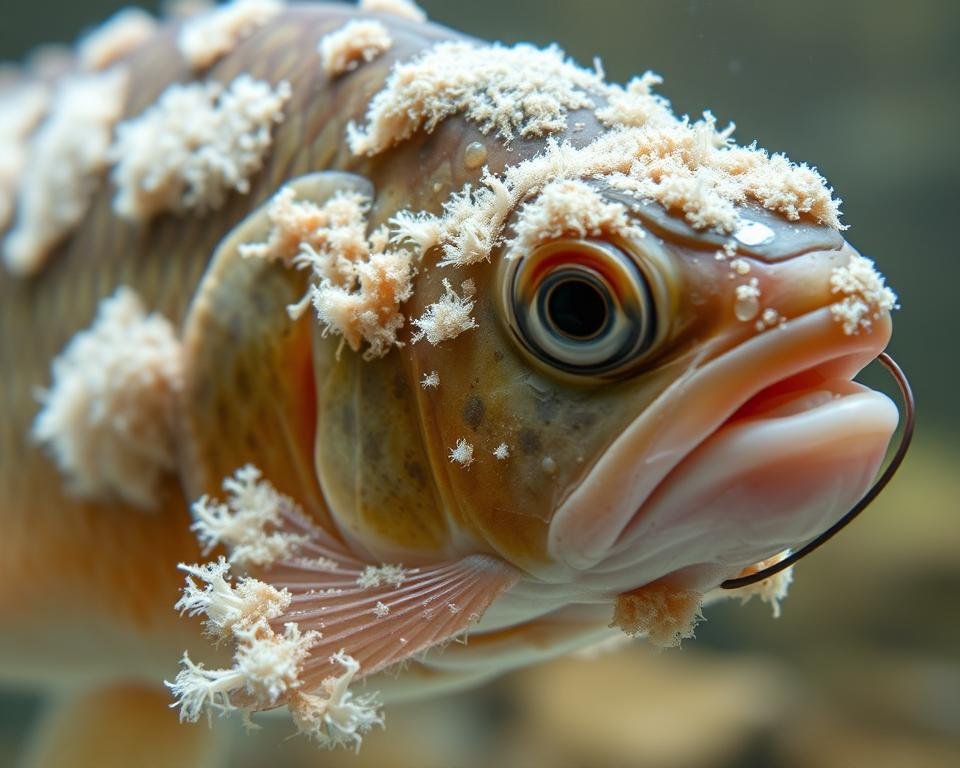
Fungal infections can also harm fish health. They cause symptoms like cotton-like growths on skin and fins. Saprolegnia is a common fungal infection, often seen in poor water quality. Keeping water quality good and feeding a balanced diet can help prevent these infections.
Symptoms of Fish Diseases
It’s key to spot fish disease symptoms early to treat them fast. Fish diseases show up in different ways, affecting their behavior and body. Keeping a close eye on your fish is vital.
Behavioral Symptoms
Behavioral signs often hint at health problems in fish. Look out for:
- Lethargy or a big drop in activity
- Not wanting to eat or refusing food
- Swimming oddly or losing balance
- Staying hidden or not wanting to be around others
These changes can be small, so watch your fish often to notice any odd behavior.
Physical Symptoms
Physical signs are clear signs of disease in fish. Watch for:
- Visible wounds, ulcers, or lesions
- Hard breathing or fast gill movement
- Changes in skin color or white spots
- Swelling or bloating
Sometimes, fish show both behavioral and physical signs, making it easier to diagnose. But, some diseases might not show symptoms until they’re serious.
By staying alert and knowing the signs of fish diseases, you can act quickly. This helps treat your fish and keeps your aquarium healthy.
Parasitic Infections in Fish
Parasitic infections are a big problem for fish in aquariums. They can cause a lot of issues and even be deadly if not treated. It’s important for aquarium owners to know about the different parasites, their signs, and how to treat them.
Ichthyophthirius multifiliis (Ich)
Ichthyophthirius multifiliis, or ich, is a common and contagious parasite. It makes white spots on the skin and gills of fish. This can make them very sick and stressed. “Ich is a highly infectious parasite that can quickly spread to other fish in the tank if not addressed promptly.” To treat it, you need to raise the water temperature and use special medications.
Costia
Costia is another parasite that can harm fish. It damages their skin and gills. Symptoms include being very tired, not wanting to eat, and skin irritation. To treat it, you need to improve the water quality and use the right medications.
Worms and Leeches
Worms and leeches are parasites that can harm fish. They can cause skin damage, anemia, and stress. “Regular monitoring and maintaining good water quality are key to preventing infestations by worms and leeches.” You can treat them by removing them manually or using specific medications.
In summary, parasitic infections are a big worry for aquarium owners. Knowing about parasites like Ich, Costia, worms, and leeches helps you protect your fish. This way, you can keep your aquarium healthy and safe for your fish.
Bacterial Infections
Bacterial infections are a big problem for fish health, causing many diseases. These infections can spread quickly and harm fish populations. It’s important for fish owners to know about the causes, symptoms, and treatments of these infections.
Columnaris Disease
Columnaris disease is a contagious bacterial infection caused by Flavobacterium columnare. It affects both freshwater and saltwater fish. Symptoms include:
- White or grayish patches on the skin and gills
- Frayed fins
- Lethargy
Treatment involves antibiotics and better water quality. Early detection is key to effectively managing Columnaris disease.
Furunculosis
Furunculosis is a bacterial infection caused by Aeromonas salmonicida. It’s marked by:
- Abscesses or furuncles on the body
- Lesions
- Septicemia
Antibiotics can treat Furunculosis. It’s also important to improve water quality and feed a balanced diet.
Dropsy
Dropsy is a condition where fluid builds up in a fish’s body, often due to bacterial infections. Symptoms include:
- Swollen abdomen
- Protruding scales
- Lethargy
Treatment involves antibiotics and better water quality. Maintaining a clean and stress-free environment is key for recovery.
Experts say, “Bacterial infections are a big challenge in aquaculture. They need quick and effective treatment to avoid big losses”
| Disease | Cause | Symptoms | Treatment |
|---|---|---|---|
| Columnaris | Flavobacterium columnare | White patches, frayed fins | Antibiotics, improved water quality |
| Furunculosis | Aeromonas salmonicida | Abscesses, lesions | Antibiotics, supportive care |
| Dropsy | Bacterial infections | Swollen abdomen, protruding scales | Antibiotics, improved water quality |
In conclusion, diseases like Columnaris, Furunculosis, and Dropsy are big health risks for fish. Knowing the symptoms and using the right treatments can help reduce these risks.
Fungal Infections
As a fish owner, it’s key to know about fungal infections like Saprolegnia and Branchiomyces. These can harm your fish’s health. Symptoms can get worse if not treated.
Saprolegnia
Saprolegnia is a common fungal infection. It causes cotton-like growths on fish skin and gills. “Saprolegnia is often a sign of underlying stress or injury in fish.” These growths can cause breathing problems and more if not treated fast.
Treatment includes antifungal meds and better water quality. This helps reduce stress on the fish.
Branchiomyces
Branchiomyces targets fish gills, causing severe breathing issues. “The presence of Branchiomyces can be very harmful, as it directly affects the fish’s ability to breathe.” Quick diagnosis and treatment are vital. Treatment often includes antifungal meds and supportive care.
Fungal infections like Saprolegnia and Branchiomyces show why a healthy aquarium is important. Regular checks and quick action can lower infection risks.
Environmental Factors Contributing to Disease
To keep your fish healthy, it’s key to know how water quality and temperature changes affect them. These factors play a big role in fish diseases.
Water Quality
Poor water quality is a big disease risk for fish. This can happen from bad filtration, not changing the water enough, or feeding too much. This leads to harmful toxins.
Changing the water regularly and using good filters helps keep water quality right. It’s also important to check water parameters like pH, ammonia, nitrite, and nitrate levels.
“The quality of the water in your aquarium is directly related to the health of your fish. Regular maintenance is key to preventing disease.”
| Water Parameter | Ideal Range |
|---|---|
| pH | 6.5-8.5 |
| Ammonia | 0 ppm |
| Nitrite | 0 ppm |
| Nitrate | <20 ppm |
Temperature Changes
Temperature changes can stress fish, making them sick. Sudden changes are very harmful.
To avoid this, watch the temperature closely and adjust it slowly. Using a good heater and thermometer helps keep the temperature steady.
Overcrowding
Overcrowding is another problem that can make fish sick. Too many fish in a tank stress them out and compete for food and space.
To avoid overcrowding, research how big your fish will get and plan your tank’s stocking. A good rule is to have 1-2 inches of fish per gallon of water.
- Research the adult size of your fish.
- Plan your stocking according to the tank size.
- Avoid overstocking to prevent stress and disease.
By managing these environmental factors, you can lower the risk of disease in your aquarium. This helps keep your fish healthy.
Diagnosing Fish Diseases
Understanding what’s wrong with your fish starts with a proper diagnosis. Accurate diagnosis is key because it affects treatment and your fish’s health.
Effective diagnosis involves a combination of observation and, if necessary, more in-depth testing. As a fish owner, knowing the symptoms and causes can greatly help your fish’s health.
Visual Inspection Techniques
Visual inspection is the first step in diagnosing fish diseases. It means watching your fish for any signs of illness. Look for symptoms like labored breathing, lethargy, or visible spots and lesions on the body.
A thorough visual inspection can often provide clues about the nature of the disease. For instance, if your fish is displaying erratic swimming patterns or is staying hidden more often than usual, it could be a sign of a parasitic infection or poor water quality.
Laboratory Tests
While visual inspections are invaluable, some diagnoses require more precise methods. Laboratory tests can provide a definitive diagnosis by identifying the specific pathogen causing the disease. This might involve examining a sample of water or a tissue sample from the affected fish.
Common laboratory tests include microscopic examination for parasites, bacterial cultures to identify bacterial infections, and histopathology to examine tissue samples for signs of disease. “Laboratory tests are essential for diagnosing diseases that are not easily identifiable through visual inspection alone,” as noted by aquatic health experts.
By combining visual inspection techniques with laboratory tests when necessary, you can ensure a more accurate diagnosis and, consequentially, a more effective treatment plan for your fish.
Treating Fish Diseases
When treating fish diseases, the right medication and care are key. A proper diagnosis is the first step. Then, choose the right treatment method.
Over-the-Counter Medications
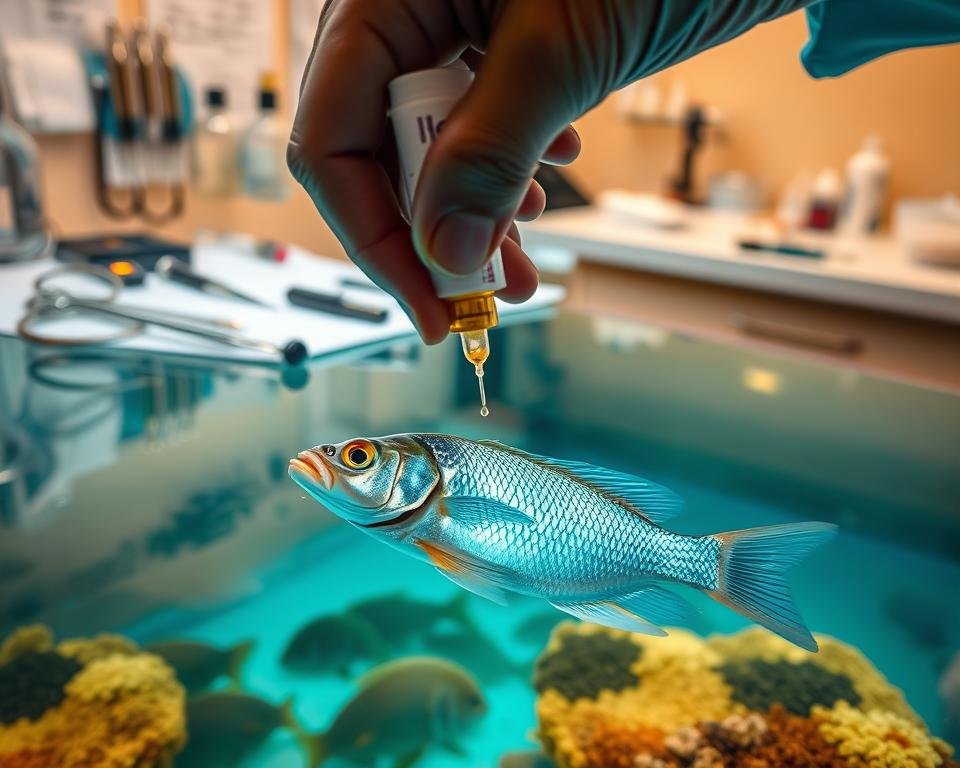
Over-the-counter (OTC) medications are easy to find for common fish diseases. They work well for mild infections and are often the first choice. It’s essential to follow the manufacturer’s instructions to use them correctly.
Common OTC medications treat fungal, bacterial, and parasitic infections. For example, methylene blue fights fungal infections. Malachite green is good against certain parasites.
| Disease | OTC Medication | Dosage |
|---|---|---|
| Fungal Infection | Methylene Blue | As directed |
| Parasitic Infestation | Malachite Green | Follow instructions |
Prescription Treatments
For severe or persistent infections, prescription treatments are needed. These are given by a vet specializing in fish care. Prescription meds are stronger and target diseases OTC meds can’t.
Antibiotics like kanamycin or metronidazole are used for bacterial infections. It’s important to get the right dosage and treatment length from a vet.
Natural Remedies
Some people use natural remedies to treat fish diseases. These can boost the fish’s immune system and create a healthy environment.
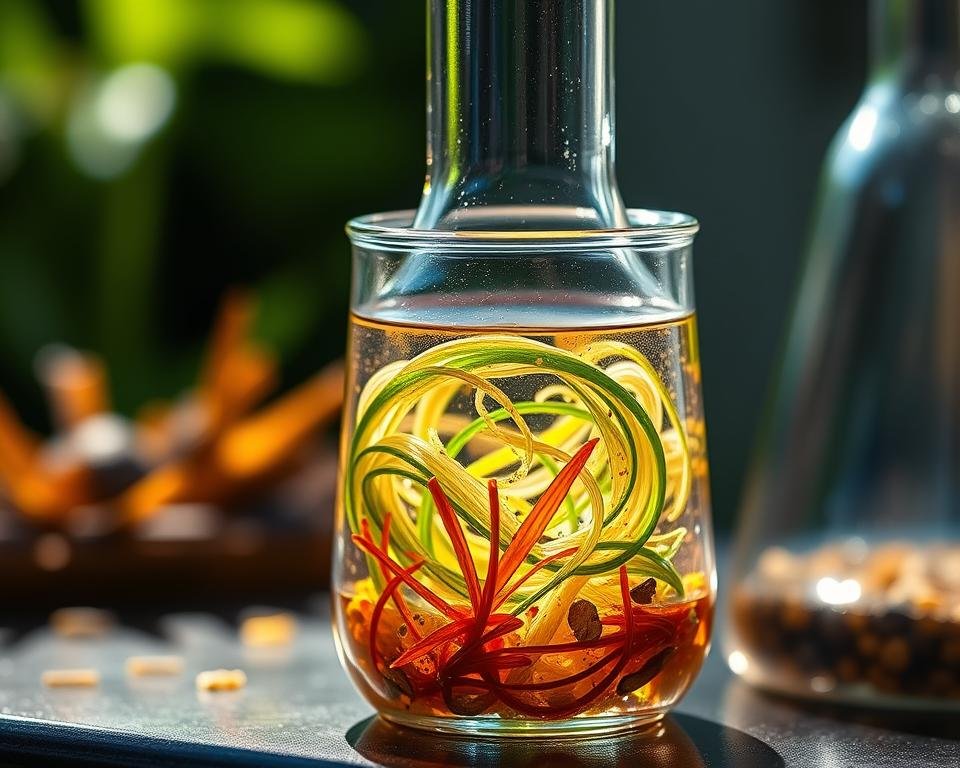
Natural remedies include tea tree oil for its antifungal properties and Indian almond leaves to reduce stress and promote healing. But, it’s important to research and use these remedies carefully to avoid harming your fish.
Effectively treating fish diseases takes patience, observation, and flexibility. By knowing the different treatment options, you can give your fish the best care.
Preventing Fish Diseases
To keep your aquarium disease-free, focus on tank maintenance, quarantining new fish, and a balanced diet. These steps can greatly lower the chance of disease in your fish.
Proper Tank Maintenance
Keeping your tank clean is key to a healthy aquarium. This means regular water changes, cleaning the gravel and decorations, and making sure the filter works well. Regular water changes help remove waste and excess nutrients that can cause disease.
- Regularly test the water for ammonia, nitrite, and nitrate levels.
- Do partial water changes (about 25% every week).
- Clean the gravel and decorations often.
Quarantine New Fish
Quarantining new fish before adding them to your main tank is vital. A quarantine tank lets you watch the health of new fish and treat them if needed before they join the main tank.
- Have a separate quarantine tank with its own filter.
- Keep new fish in quarantine for 2-4 weeks.
- Watch for disease signs during quarantine.
Balanced Diet
Feeding your fish a balanced diet is critical for their health. A diet full of nutrients boosts their immune system, making them less likely to get sick. A varied diet with commercial food, live, or frozen foods ensures they get all the nutrients they need.
- Give a variety of foods for a balanced diet.
- Avoid overfeeding to prevent water quality problems.
- Think about adding vitamins and minerals.
When to Seek Professional Help
Many fish diseases can be treated at home. But knowing when to seek professional help is key. It can mean life or death for your fish. As a responsible owner, it’s important to know when your fish needs more than home care.
Signs That Require a Vet’s Attention
Some symptoms are clear signs your fish needs professional veterinary care. These include:
- Severe lethargy or loss of appetite
- Visible wounds or ulcers
- Rapid breathing or labored swimming
- Unusual discharge or growths
If you see any of these signs, act fast. Your fish needs the right care.
Finding a Fish Veterinarian
Not all vets know about fish care. It’s important to find one who does. Here’s how to find a qualified fish veterinarian:
- Ask for referrals from local pet stores or aquarium clubs
- Check online directories or professional associations like the American Association of Fish Veterinarians
- Contact local veterinary clinics to inquire about their experience with fish
| Criteria | What to Look For |
|---|---|
| Experience | Look for veterinarians with a proven track record in treating fish |
| Services | Ensure they offer the services your fish needs, such as diagnosis, treatment, and surgery |
| Communication | Choose a vet who is willing to answer your questions and provide clear guidance |
Knowing when to seek professional help and finding a qualified vet is key. This way, your fish gets the best care when it needs it most.
Conclusion: Keeping Your Fish Healthy
Keeping fish healthy needs careful attention and good tank care. Knowing about common fish diseases helps you stop outbreaks. This way, your fish can stay happy and healthy.
To help your fish stay healthy, test the water often, quarantine new fish, and feed them well. These steps help catch problems early and stop diseases from spreading.
By following the advice in this article, you can make a great home for your fish. Regular checks and upkeep are key to keeping your fish disease-free. With the right knowledge, you can have a thriving aquarium and happy fish.

 Biosecurity in Aquaculture: Protecting Your Aquatic Assets
  Sustainable Fish Feed: Feeding Fish, Protecting the Planet
  Fish Stress Management: Keeping Your Aquarium Thriving
  Natural Immune Boosters for Aquaculture: Enhance Fish Health
  Crafting the Perfect Fish Feed Formulation
  Essential Fish Nutrients: What Your Body Needs