


Did you know that bad water can cause big losses in aquaculture? Studies show up to 30% of aquatic species can die from poor water quality. As someone who works with water, keeping the right balance is key for your fish and other sea creatures to stay healthy.
I know how important it is to have the best water for your sea friends. Getting the right mix of alkalinity and hardness is essential. In this article, I’ll show you how to get that perfect balance for your aquaculture.
Key Takeaways
- Understanding the importance of alkalinity and hardness in aquaculture.
- Learning how to measure and adjust water parameters.
- Strategies for maintaining optimal water quality.
- Best practices for balancing alkalinity and hardness.
- Tips for ensuring the health and well-being of your aquatic species.
Understanding Alkalinity and Hardness in Aquaculture
Aquaculture relies on knowing about water quality, like alkalinity and hardness. These are key to keeping water healthy and stable for fish and other sea creatures.
Defining Alkalinity
Alkalinity helps keep water pH levels steady. It’s like a shield against too much acidity. High levels of alkalinity mean water pH stays stable, which is good for fish.
Defining Hardness
Hardness is about calcium and magnesium in water. These minerals are important for fish health, like building bones and controlling water balance. Water can be temporarily or permanently hard, depending on these minerals.
Importance in Aquaculture
Alkalinity and hardness are very important for fish health. The right levels help fish grow better, feel less stressed, and fight off diseases.
| Parameter | Importance | Ideal Range |
|---|---|---|
| Alkalinity | Buffers pH changes | 50-200 mg/L |
| Hardness | Essential for biological processes | 100-300 mg/L |
Knowing and managing these water qualities is key to good aquaculture. Keeping alkalinity and hardness right helps make a better, more productive place for fish to live.
The Role of Water Quality in Aquaculture
The quality of water in aquaculture systems is key to the health of fish and other sea creatures. Factors like alkalinity and hardness are very important. They help keep the water environment healthy for fish and other sea life.
Impacts on Fish Health
Poor water quality can stress fish, making them more likely to get sick. Monitoring pH levels in aquaculture is very important. Big changes in pH can harm fish and weaken their immune system.
Some things that can hurt fish health include:
- Water temperature changes
- Toxic substances in the water
- Not enough water hardness measurements
Effects on Water Chemistry
Water quality also affects the water’s chemistry. Alkalinity helps keep pH levels stable. Hardness affects the minerals available to sea life. Keeping these in balance is key for a healthy aquatic environment.
Benefits of Monitoring
Regular checks on water quality are essential for aquaculture success. By watching alkalinity, hardness, and more, experts can keep the water just right. This helps prevent stress and disease in sea creatures, leading to healthier aquaculture.
The good things about monitoring include:
- Finding water problems early
- Better fish health and survival
- Stable water chemistry
Measuring Alkalinity and Hardness
To manage alkalinity and hardness in aquaculture, precise measurement is key. You need to know the tools for measurement and the ideal levels for your species.
Tools for Measurement
There are many tools for measuring alkalinity and hardness. Titration kits are very accurate for alkalinity. Colorimetric test kits are quick and easy to use.
I suggest using a mix of tools for the best results. For example, electronic meters are fast but need regular calibration.
Ideal Levels for Common Species
Different fish and shrimp need different levels of alkalinity and hardness. For instance, tilapia do well in waters with 50-100 mg/L as CaCO3 alkalinity and 50-150 mg/L as CaCO3 hardness. Shrimp, on the other hand, need higher levels of both.
| Species | Ideal Alkalinity (mg/L as CaCO3) | Ideal Hardness (mg/L as CaCO3) |
|---|---|---|
| Tilapia | 50-100 | 50-150 |
| Shrimp | 100-200 | 150-300 |
| Catfish | 30-80 | 40-100 |
Frequency of Testing
How often you test depends on the species, water source, and system stability. Testing at least once a week is a good rule. But, during changes or stress, like water exchanges or new species introductions, test more often.
Regular monitoring helps make timely adjustments. This keeps water parameters in the best range for healthy aquaculture.
Factors Affecting Alkalinity and Hardness
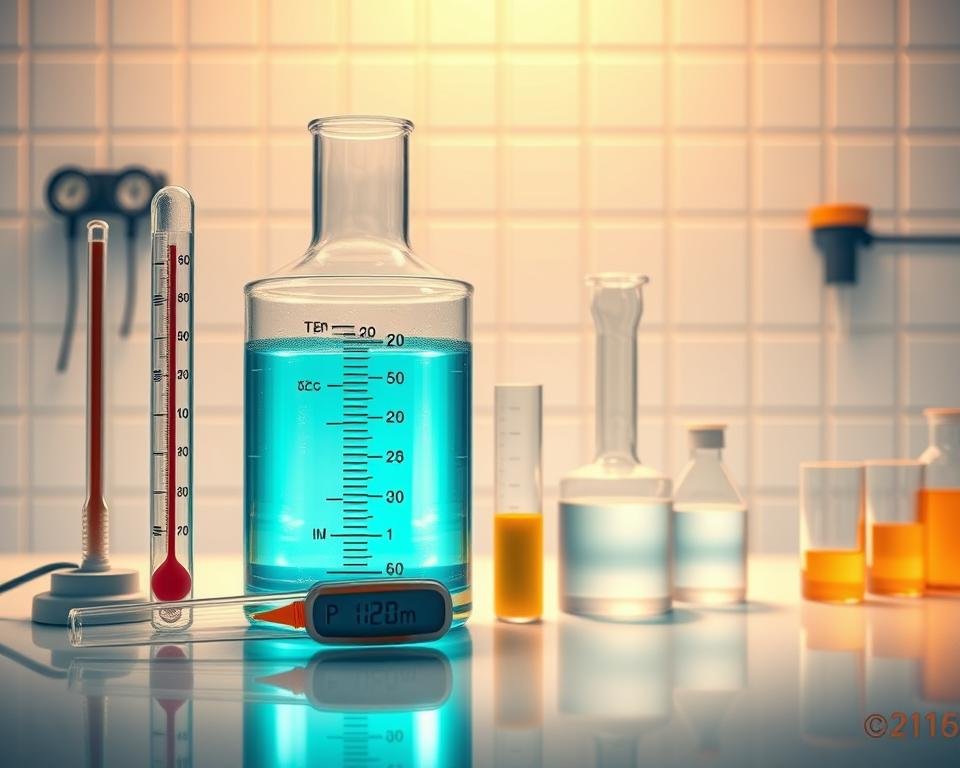
Many things can change the alkalinity and hardness of water in aquaculture. It’s important to know about these changes for good water management. Understanding these factors helps in sustainable aquaculture practices.
Source Water Characteristics
The type of water you start with is very important. Water from wells is different from water from rivers or lakes. Knowing these differences helps you adjust the water quality.
Seasonal Variations
Seasons can change water quality a lot. Rain can make the water softer, while dry times can make it harder. Knowing these changes helps you manage the water better.
Feeding Practices
How you feed your fish also affects the water. The food you give can change the water’s chemistry. Good feeding practices improve water quality and fish health.
By managing these factors, aquaculture can keep the water healthy for fish. This is key for sustainable aquaculture practices.
Adjusting Alkalinity Levels
To keep aquaculture healthy, it’s key to know how to adjust alkalinity levels. Alkalinity is vital for the health and stability of water ecosystems.
Common Methods of Adjustment
There are a few ways to adjust alkalinity in aquaculture. One way is to use limestone or dolomite. These are full of calcium carbonate, which helps keep pH stable and alkalinity balanced.
Another method is using chemical additives made for adjusting alkalinity. These can be added to the water to reach the right alkalinity level.
Best Practices for Fish Safety
When adjusting alkalinity, keeping fish safe is very important. This means making slow changes to the water chemistry. This lets the fish get used to the new conditions.
- Keep a close eye on water parameters during adjustments.
- Avoid sudden changes in alkalinity levels.
- Make sure there’s good water circulation and aeration.
By following these tips and using the right methods, aquaculture experts can make a safe and healthy home for their fish.
Adjusting Hardness Levels
To create a thriving aquaculture environment, it’s essential to understand how to adjust hardness levels effectively. Hardness levels play a critical role in the health and well-being of aquatic species.
Adjusting hardness involves understanding the specific needs of your aquatic organisms. You can use chemical additives or natural methods to achieve the desired water hardness.
Chemical Additives for Hardness
Chemical additives are a common method for adjusting water hardness in aquaculture. These additives can quickly alter the hardness levels to meet the specific requirements of your aquatic species.
- Limestone (calcium carbonate) is often used to increase hardness.
- Other calcium and magnesium-based compounds can also be used.
It’s important to follow the manufacturer’s instructions when using chemical additives. This avoids over-correction, which can harm aquatic life.
| Chemical Additive | Effect on Hardness | Precautions |
|---|---|---|
| Limestone (CaCO3) | Increases hardness | Monitor pH levels |
| Calcium Chloride (CaCl2) | Rapidly increases hardness | Avoid overuse |
| Magnesium Sulfate (MgSO4) | Increases magnesium levels | Be cautious of sulfate levels |
Natural Methods to Alter Hardness
Natural methods offer a more gradual and sustainable approach to adjusting water hardness. These methods are beneficial for long-term aquaculture practices.
One effective natural method is using substrate materials like crushed coral or aragonite. They slowly release calcium and magnesium ions into the water, increasing its hardness.
“Using natural substrates not only helps in maintaining the desired hardness but also contributes to a more stable and healthy aquatic environment.” – Aquaculture Expert
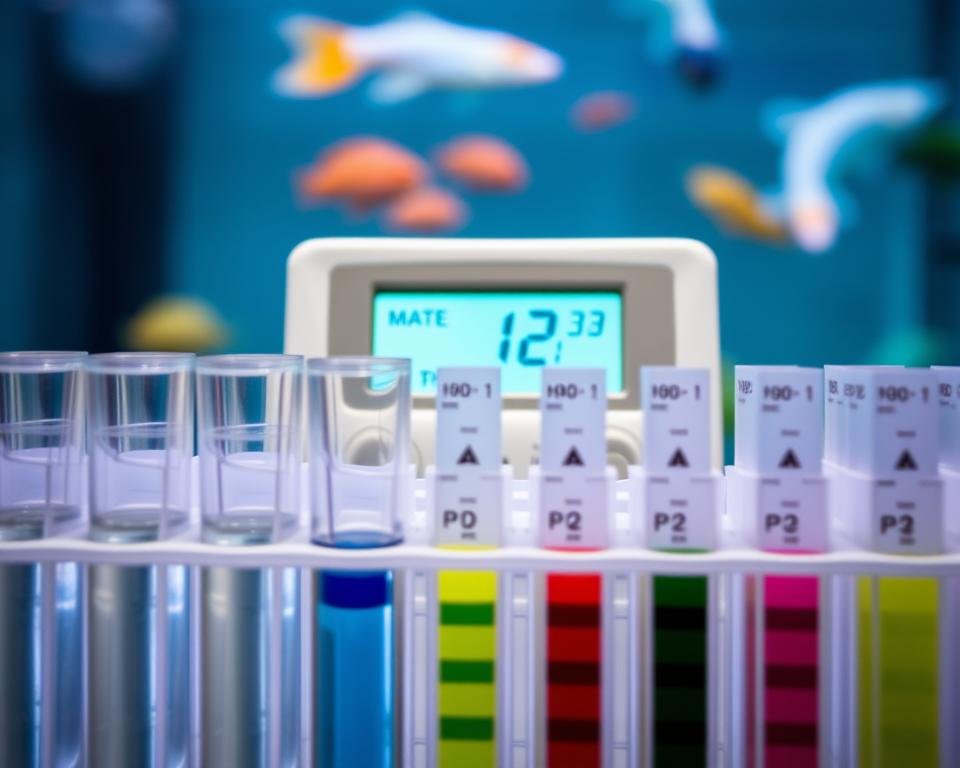
Regular monitoring of water hardness is essential, regardless of the method used for adjustment. This ensures that the hardness levels remain within the optimal range for your aquatic species.
The Importance of pH in Relation to Alkalinity and Hardness
In aquaculture, pH is very important. It affects the health and survival of water creatures. The pH level is connected to water’s alkalinity and hardness. This balance is key for a healthy aquatic environment.
How pH Relates to Aquatic Life
The pH of water affects how aquatic organisms live. Most water creatures do best in slightly alkaline to neutral water (6.5 to 8.5 pH). If the pH is too high or too low, they can get stressed, grow slower, and get sick more easily.
Key effects of pH on aquatic life include:
- Respiratory distress at extreme pH levels
- Inhibition of nutrient uptake
- Disruption of osmoregulation
Techniques to Maintain Balanced pH
To keep pH balanced, you need to check it often and make changes when needed. Here are some good ways to do it:
- Regular Water Testing: Check pH often to catch any problems early.
- Use of Buffering Agents: Chemicals like sodium bicarbonate can keep pH steady.
- Water Exchange: Change some of the water with fresh, treated water to keep pH stable.
By knowing how pH works and using these methods, aquaculture experts can make a better home for their water creatures. This leads to more success and sustainability in aquaculture.
Effects of Imbalanced Alkalinity and Hardness
Imbalances in water parameters, like alkalinity and hardness, can harm aquatic life. It’s key for those in aquaculture to know these effects. This knowledge helps keep a healthy environment for your aquatic friends.
Stress on Aquatic Species
When alkalinity and hardness levels are off, aquatic species get stressed. This stress can show in many ways, such as:
- Reduced growth rates
- Increased aggression among species
- Lowered immune response
Stress weakens the immune system. This makes aquatic species more likely to get sick and less likely to grow well. Keeping a close eye on water parameters is vital to avoid stress.
Increased Disease Susceptibility
Diseases spread fast in aquaculture when water is not managed well. Imbalanced alkalinity and hardness create an ideal place for pathogens to grow. This puts your aquatic friends at risk.
Common problems from unbalanced water include:
- Increased risk of bacterial and parasitic infections
- Disease outbreaks that can wipe out your stock
- Long-term health issues that harm the species’ overall health
Experts say keeping water quality optimal is essential for sustainable aquaculture practices. Balancing alkalinity and hardness greatly lowers disease risk. It helps keep your aquatic friends healthy.
In short, keeping alkalinity and hardness in balance is vital for your aquatic species’ health in aquaculture. Understanding the effects of imbalances and acting early can lead to a thriving, sustainable aquaculture practice.
Best Practices for Maintaining Balance
Keeping water quality right is key for healthy aquaculture. The health and success of aquaculture depend a lot on the right levels of alkalinity and hardness.
Regular Testing and Monitoring
Testing and monitoring water quality often is a must. By checking alkalinity and hardness often, aquaculture folks can adjust quickly to keep the water stable.
- Use reliable testing kits to ensure accuracy.
- Maintain a log of water quality parameters to track changes over time.
- Adjust testing frequency based on the specific needs of your aquatic species.
Utilizing Filtration Systems
Filtration systems are vital for keeping water quality up. They remove waste and extra nutrients that can mess with alkalinity and hardness.
Types of Filtration Systems:
| Filtration Type | Description | Benefits |
|---|---|---|
| Mechanical Filtration | Removes particulate matter | Reduces waste and improves water clarity |
| Biological Filtration | Breaks down organic matter | Enhances nutrient cycling and water quality |
| Chemical Filtration | Removes dissolved substances | Helps control water chemistry |
Engaging Experts
Talking to aquaculture experts can really help with water quality issues. They can give advice that fits your specific needs.
Benefits of Expert Consultation:
- Customized advice for unique operational challenges.
- Access to the latest research and technologies.
- Improved decision-making based on expert analysis.
By following these best practices, aquaculture folks can make sure their water is perfect. This keeps their aquatic friends healthy and thriving.
Case Studies in Successful Aquaculture
Around the world, aquaculture is using new ways to keep water balanced for fish and other sea creatures. Looking at successful examples, we learn how to manage water well.
Innovative Techniques Used
Many farms are now using the latest in water care. For example, some farms have systems that change water’s alkalinity and hardness as needed. This keeps the water perfect for their fish.
Real-time Monitoring: A great example is using systems that watch water chemistry all the time. This lets them make quick changes to keep the water just right.
| Technique | Description | Benefits |
|---|---|---|
| Real-time Monitoring | Continuous tracking of water chemistry parameters | Immediate adjustments for optimal water quality |
| Advanced Filtration | Use of sophisticated filtration systems to adjust alkalinity and hardness | Enhanced control over water parameters, improved health of aquatic species |
Lessons Learned
From these examples, we learn a few important things. First, checking water often is key. Farms that test and tweak their water care see healthier fish and better results.
Adaptability: Another big lesson is being ready to change. Aquaculture folks need to adjust their plans when water quality or other things change.
By taking these lessons to heart and keeping innovating, the aquaculture world can get better. This helps the environment and the people running the farms.
Future Trends in Water Quality Management
The future of aquaculture relies on better water quality management. As the industry expands, keeping water quality high is key for healthy fish and plants.
New tools, like advanced water testing kits and real-time monitoring, are coming. These will help aquaculture experts make better choices. They ensure the best conditions for fish and plants.
Advancements in Measurement Technology
New tech is making water testing more accurate and quick. For example, a study found that keeping water’s alkalinity and hardness right is important. This is in pond-based aquaculture, as shown here.
Sustainable Aquaculture Practices
Along with new tech, green practices are essential for aquaculture’s future. Using eco-friendly methods and keeping water quality high helps the environment. It also supports healthy fish and plant life.

 Ammonia and Nitrite Control in Aquaculture
  TSS Removal: Keeping Your Water Clean and Clear
  Boost Aquaculture Yields with Effective Water Exchange
  Achieve Ideal Water pH for Aquaculture Farming
  Optimize Your Biofiltration System with the Right Media
  Water Recirculation Best Practices in Aquaculture