


Did you know that many aquarium fish die from stress every year? As someone who loves aquariums, I’ve learned how important it is to keep them stress-free.
Keeping your aquarium stress-free is key to its health. In this article, I’ll share tips on how to manage stressors that harm fish.
Key Takeaways
- Understand the primary causes of stress in aquariums.
- Learn effective strategies for reducing stress.
- Discover the importance of water quality in stress management.
- Implement practical tips for maintaining a balanced ecosystem.
- Enhance your aquarium’s overall health and resilience.
Understanding Fish Stress: Causes and Effects
As an aquarium enthusiast, I’ve learned that knowing about fish stress is key. Stress in fish comes from many things. Knowing these causes helps us give our fish the best aquarium stress relief.
Common Stress Triggers in Aquatic Environments
Things like bad water quality, temperature changes, and small tanks can stress fish out. For example, sudden water changes can really upset them. This can lead to anxiety and even sickness.
Here are some common stressors:
- Inadequate water quality
- Temperature fluctuations
- Insufficient tank size
- Overcrowding
- Aggressive tankmates
Effects of Stress on Fish Health
Stress can really hurt a fish’s health. It weakens their immune system, making them more likely to get sick. Long-term stress can cause serious problems, like fin rot, swim bladder disease, and even death.
Here’s how stress affects fish health:
| Stress Effect | Description | Impact on Fish Health |
|---|---|---|
| Weakened Immune System | Reduced ability to fight off disease | Increased susceptibility to illness |
| Behavioral Changes | Changes in feeding habits, swimming patterns | Reduced quality of life |
| Physical Symptoms | Visible signs of stress, such as rapid breathing or lethargy | Increased risk of disease and death |
Signs of Stress in Aquarium Fish
It’s important to know the signs of stress in your fish. Look for fast breathing, being very tired, not wanting to eat, and color or swimming pattern changes. These are all signs of stress.
By spotting these signs early and acting fast, we can help our fish feel better. This makes their environment healthier.
Importance of a Stable Environment
A stable environment is key for stress-free fish care. To keep your fish happy, you need a consistent and healthy aquarium.
Water Quality and Its Role in Stress Reduction
Good water quality is vital for less fish stress. Regular water changes and checking water levels prevent toxins. Always test the water to keep it safe for your fish.
Keeping water quality up means more than just changing water. Your filter must work well too. A good filter keeps water clean and clear, lowering disease and stress risks.
Optimal Temperature and pH Levels
Fish are very sensitive to temperature and pH changes. Sudden shifts can stress them out a lot. So, keeping conditions stable is essential.
Use a reliable thermometer and pH meter to check these levels. Also, get a heater or cooler if needed to keep the temperature steady.
Tank Size and Layout Considerations
The tank’s size and layout affect fish stress. A bigger tank is more stable and gives fish room to swim. Think about adding plants and decorations for hiding spots and to reduce aggression.
Don’t overcrowd your tank. Too many fish can cause fights and disease. Give your fish space and create a natural setting to reduce fish stress and keep your aquarium healthy.
Proper Fish Selection for Your Aquarium
Choosing the right fish for your tank is key to a stress-free aquarium. Selecting compatible species, avoiding overcrowding, and understanding your fish’s needs helps. This way, you can create a peaceful community that reduces stress.
Choosing Compatible Species
Compatibility is key when picking fish for your tank. Some fish are aggressive, while others are peaceful. Mixing them can cause stress and fights.
For example, neon tetras are peaceful and do well in groups. On the other hand, cichlids can be aggressive and territorial. It’s important to research the temperament and behavior of the fish you’re interested in.
Choosing fish with similar water needs and temperaments is a good rule. For instance, if you have goldfish, avoid fin-nipping species like tiger barbs.
| Fish Type | Temperament | Water Requirements |
|---|---|---|
| Neon Tetras | Peaceful, Schooling | Soft, Slightly Acidic |
| Cichlids | Aggressive, Territorial | Varies by Species |
| Guppies | Peaceful, Colorful | Hardness and pH Tolerant |
Avoiding Overcrowding
Overcrowding can stress and disease in fish. Too many fish competing for resources can be stressful. A good rule is to have 1-2 inches of fish per gallon of water.
“Overcrowding is one of the most common causes of stress in aquarium fish. It’s essential to provide enough space for your fish to thrive.”
Conducting Research on Fish Needs
Different fish have different needs. Some need specific water conditions, while others need certain foods or environments. For example, discus fish need clean, warm water, while betta fish prefer warmer, less oxygen-rich water.
To keep your fish healthy and stress-free, research their needs. Understand their dietary needs, preferred water conditions, and social needs. This way, you can create a healthy and relaxing environment for them.
Setting Up Your Aquarium for Success
A well-set-up aquarium is key for a healthy and stress-free home for your fish. To create a thriving aquatic ecosystem, focus on several important factors. These include the substrate and decor, filtration and aeration systems, and lighting.
Choosing the Right Substrate and Decor
The substrate and decorations in your aquarium are vital for a calming environment. The right substrate helps keep water quality high and provides a comfy surface for your fish. Choose decorations like plants, rocks, and ornaments that offer hiding spots and visual interest.
This not only makes your aquarium look great but also reduces stress in your fish.
When picking decor, think about your fish’s natural habitats. For example, river rocks or driftwood can be great for fish from rivers or streams. A naturalistic environment promotes the well-being and happiness of your fish.
Filtration and Aeration Systems
A good filtration system is essential for clean, healthy water in your aquarium. It removes waste and excess food, preventing water quality issues that stress fish. Choose a filter that matches your tank’s size and your fish’s needs. Some fish produce more waste than others.
Aeration is also key for healthy water. It boosts oxygen levels, vital for your fish’s well-being. Use air stones or other aeration devices for proper aeration. Together, aeration and filtration create a stable, healthy environment, reducing stress and promoting fish health.
Lighting Considerations for Health
Lighting is critical for a healthy aquarium environment. It promotes fish health and enhances your tank’s look. Choose lighting based on your fish’s needs. Some prefer bright light, while others do better in softer conditions.
Also, set up a regular lighting schedule. This mimics a natural day-night cycle, which is good for your fish. A consistent, proper lighting environment reduces stress and promotes your fish’s health.
Routine Maintenance: Key to Stress Management
Regular maintenance is key to a stress-free aquarium. By doing routine tasks, you can lower stressors for your fish. This leads to a healthy and thriving aquarium.
Regular Water Changes and Testing
Changing water and testing it regularly is very important. Changing 10-20% of the tank water weekly removes waste and excess nutrients. This helps prevent stress. Testing the water ensures it’s safe for your fish.
- Test for pH, ammonia, nitrite, and nitrate levels regularly.
- Maintain a log of your water test results to track changes over time.
- Adjust your water change schedule based on the results of your water tests.
Cleaning Equipment and Decorations
Cleaning your aquarium equipment and decorations is vital. It prevents algae and bacteria buildup, which can stress your fish. Monthly cleaning of filters and other equipment keeps them working well.
- Remove and clean filter media according to the manufacturer’s instructions.
- Gently scrub decorations and glass walls to remove algae.
- Check for and replace any worn-out equipment.
Monitoring Temperature and Lighting
Keeping the right temperature and lighting is key for fish health. Fluctuations in temperature or wrong lighting can stress them out.
- Use a reliable thermometer to monitor tank temperature.
- Adjust lighting to simulate natural day-night cycles.
- Avoid placing the tank near direct sunlight or drafts.
By doing these routine maintenance tasks, you can make a stable and healthy home for your fish. This greatly reduces stress-related issues.
Nutrition and Dietary Considerations
Nutrition is key for a healthy aquarium. It affects your fish’s stress levels. A balanced diet keeps your fish healthy and helps manage stress.
Importance of a Balanced Diet
Your fish need a variety of foods for a balanced diet. Use high-quality flake or pellet food and add live or frozen foods like brine shrimp. This ensures they get all the vitamins and minerals they need.
- High-quality commercial foods as the main staple
- Live or frozen foods for nutritional variety
- Vegetables for herbivorous species
Recognizing Nutritional Deficiencies
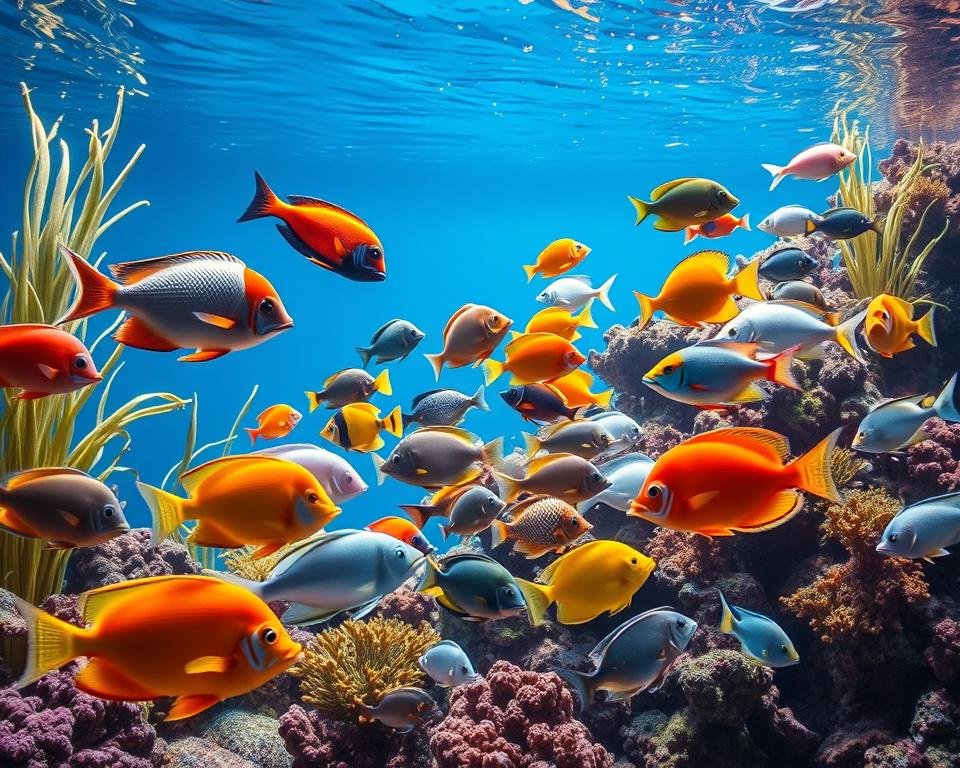
Nutritional deficiencies can show in many ways, like color changes, lethargy, or slow growth. Watch for these signs and adjust their diet. For example, a lack of vitamin C can cause lethargy and loss of appetite.
How Feeding Habits Affect Stress Levels
Feeding habits greatly impact your fish’s stress. Overfeeding can harm water quality and stress your fish. Underfeeding leads to malnutrition. A consistent feeding schedule and avoiding overfeeding are key to managing stress.
- Feed your fish at the same time every day
- Provide only as much food as they can consume within a few minutes
- Rotate foods regularly to ensure a balanced diet
By focusing on your fish’s dietary needs and maintaining a balanced diet, you help their health. This leads to better fish stress management and aquarium stress relief.
Social Dynamics Among Fish
Creating a peaceful aquarium starts with understanding fish social interactions. Knowing the behaviors and needs of different fish helps you create a space that reduces fish anxiety and improves their well-being.
Understanding Schooling Fish Behavior
Schooling fish love to swim together. You can encourage this in your aquarium by giving them enough space and the right tankmates. Keeping them in small groups helps reduce fish stress and lets them act naturally.
Popular schooling fish include tetras, danios, and rasboras. It’s important to learn about their specific needs and make sure your tank can support them.
Managing Aggressive Species
Aggressive fish can upset your aquarium’s peace, stressing out other fish. To handle aggressive fish, you need to figure out what makes them aggressive and how to lessen it.
Common reasons for aggression are territorialism, fighting over food, and mating. Knowing these, you can reduce aggression by adding hiding spots and visual barriers.
Creating Safe Spaces in Your Tank
It’s key to create safe areas in your tank to reduce fish stress. Use plants, rocks, and decorations to give fish places to hide and feel secure.
A good tank has both open swimming areas and quiet spots. This lets fish choose when to be social or hide. Safe spaces help fish feel secure and happy.
Handling Fish During Maintenance
Keeping your aquarium healthy is more than just cleaning. It also means handling your fish carefully. It’s important to keep your fish stress-free during maintenance.
Best Practices for Safe Handling
To safely handle your fish, use the right methods. First, turn off the aquarium pump and filter to calm the water. This reduces stress on the fish. Use a soft-mesh net to scoop up your fish gently, avoiding nets with metal parts.
When moving fish to a separate container, make sure the water conditions are similar to their tank. This prevents shock. It’s also important to handle fish as little as possible and never touch their eyes or gills.
Minimizing Stress During Tank Maintenance
To reduce stress during maintenance, plan your tasks carefully. Try to do them when the fish are calm. Avoid sudden changes in water temperature or chemistry. Regular water changes should be done slowly to prevent shocking your fish.
Using stress-reducing products can also help. These products have natural ingredients that calm fish during stressful times like maintenance.
| Stress Reduction Technique | Description | Benefit |
|---|---|---|
| Gradual Water Changes | Changing water gradually to avoid sudden changes in water chemistry. | Reduces shock and stress on fish. |
| Using Stress-Reducing Products | Products containing natural calming ingredients. | Helps calm fish during maintenance. |
| Minimizing Handling | Handling fish as little as possible during maintenance. | Reduces physical stress and injury. |
When to Seek Professional Help
If you’re unsure about handling your fish or notice extreme stress or illness, seek professional help. Aquarium experts can guide you on stress-free fish care and relaxation techniques.
Also, if problems persist despite your best efforts, an aquarium expert can help. They can identify and solve underlying issues specific to your aquarium.
Recognizing and Treating Fish Illness
Keeping your aquarium healthy means watching for signs of illness in fish. Stress makes fish more likely to get sick. Knowing how to spot and treat illnesses helps keep your fish happy and healthy.
Common Illnesses Related to Stress
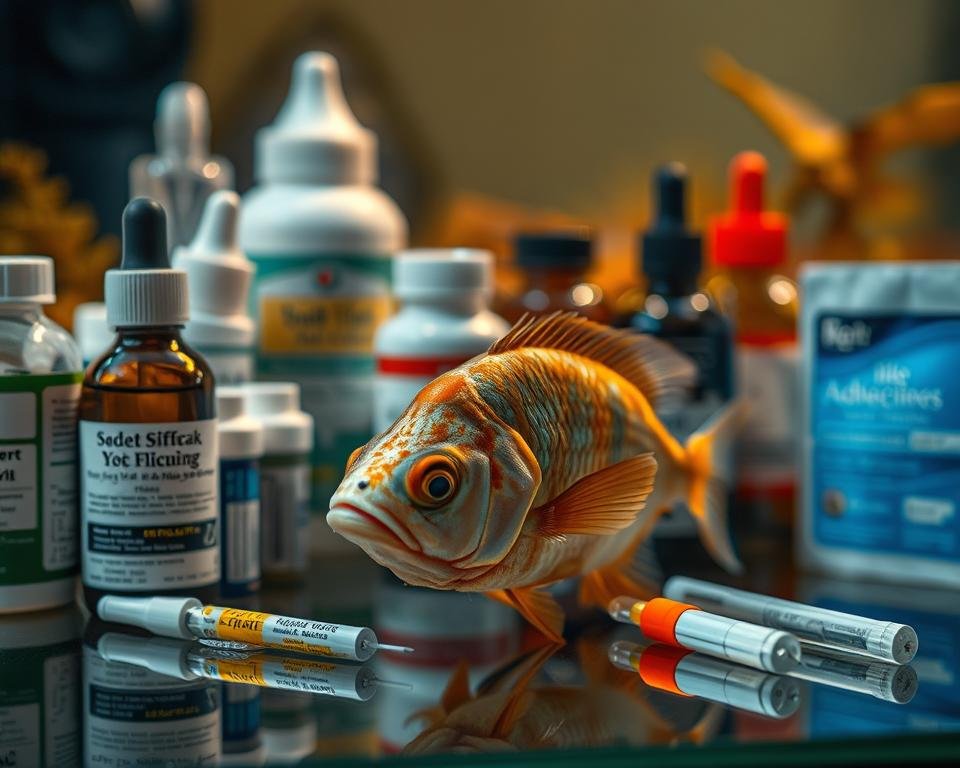
Stress can cause many health problems in fish, like bacterial and fungal infections. For example, fin rot is a common bacterial infection caused by stress. Spotting these illnesses early is key to treating them effectively.
Experts say, “Stress is a big reason for many fish diseases”
Keeping stress low is important for healthy fish, as it lowers disease risk.
This shows how important it is to keep your aquarium stress-free.
Medication and Treatment Options
Act fast if you see illness in your fish. The right treatment depends on the illness. For bacterial infections, antibiotics might be needed, while fungal infections might require antifungal meds. Also, improving water quality and reducing stress helps your fish recover.
For more tips on managing fish stress, check out Chewy’s education page on aquarium fish.
When Stress Becomes a Serious Concern
Long-term stress can be very bad for fish, making them more likely to get sick or even die. So, it’s important to tackle stressors quickly. Make sure water quality is good, feed them well, and keep their environment right. By focusing on fish stress prevention and a healthy aquarium, you can have happy, thriving fish.
Implementing Stress-Reducing Techniques
Adding stress-reducing techniques can make your fish’s home peaceful. A natural and welcoming aquarium environment is key. This helps your fish thrive.
Use of Hiding Places and Plants
It’s important to give your fish hiding spots and plants. These help them feel safe and secure. They also have places to hide when they’re stressed.
- Choose plants like Java Moss or Anacharis for hiding spots and better water quality.
- Decorate with rocks, driftwood, or artificial plants for more hiding spots.
- Don’t overdo it with decorations. Too many can stress your fish out.
Sound and Light Management
Managing sound and light around your aquarium is key. Fish don’t like loud noises or bright lights. These can make them stressed.
- Put your aquarium in a quiet spot, away from loud things.
- Use dimmable lights to mimic day and night, helping your fish’s natural rhythm.
- Avoid sudden light changes. They can scare your fish and raise stress.
Creating a Peaceful Environment
Creating a peaceful aquarium is more than just setting it up. It’s about keeping it stable and healthy too.
- Check your water often to keep it right for your fish.
- Keep the temperature steady. Sudden changes stress your fish.
- Use a timer for your lights and filters to keep things regular.
With these stress-reducing tips, you can make your fish’s life better. Your aquarium will become a peaceful and thriving place for them.
Long-Term Strategies for Aquatic Wellness
Creating a long-term aquatic wellness plan is all about careful planning and consistent care. By taking a holistic approach to fish care, you can build a thriving environment. This environment will support the health and happiness of your fish.
Monitoring Fish Behavior Over Time
Watching your fish regularly is key to spotting any changes that might mean stress or illness. By keeping an eye on their behavior over time, you can catch patterns early. This lets you take action before problems get worse.
- Observe feeding habits and appetite
- Note any changes in swimming patterns or activity levels
- Monitor for signs of stress or aggression
Establishing a Routine for Care
Having a consistent routine is vital for a stress-free aquarium. A regular schedule for water changes, feeding, and tank upkeep helps reduce stress. It also makes your fish feel secure.
Key parts of your routine should include:
- Regular water changes and testing
- Consistent feeding times and amounts
- Periodic cleaning of equipment and decorations
Educating Yourself on Fish Behavior
Keeping up with learning is essential for the best fish care. Knowing about their behavior, needs, and likes helps you make better choices. These choices support their overall well-being.
Some ways to educate yourself include:
- Reading books and online forums about fish care
- Attending workshops or seminars on aquarium maintenance
- Joining local aquarist groups to share knowledge and experiences
By using these long-term strategies, you can build a thriving aquatic environment. This environment will support the health and happiness of your fish. It will also reduce stress and make fish care easier.
Community Resources and Support
Being an aquarium enthusiast can be very rewarding. Connecting with others who love fish as much as you do is key. Joining local groups or online forums can give you great insights and support. This helps you create a calm space for your fish and learn how to relax them.
Local Aquarist Communities
Local groups are a great place to share knowledge and ask questions. Many cities have clubs for aquarium lovers. These clubs host meetings, workshops, and events where you can meet others and learn by doing.
Educational Opportunities
Workshops and events are excellent for keeping up with aquarium care. They often have expert speakers and are a chance to meet other fish lovers.
Reliable Information and Supplies
For trustworthy info and quality supplies, check out reputable brands and online resources. This ensures your aquarium stays healthy and peaceful for your fish.

 Common Fish Diseases: Causes, Symptoms, and Treatments
  Biosecurity in Aquaculture: Protecting Your Aquatic Assets
  Sustainable Fish Feed: Feeding Fish, Protecting the Planet
  Natural Immune Boosters for Aquaculture: Enhance Fish Health
  Crafting the Perfect Fish Feed Formulation
  Essential Fish Nutrients: What Your Body Needs