


The global aquaculture industry is booming, with trout farming playing a big role. Did you know trout is one of the most farmed fish species? Production exceeds 2 million metric tons every year. As I explore fish farming techniques, I’m excited to share a detailed guide on raising trout.
This guide will cover all aspects of trout culture. From the basics to advanced techniques, you’ll get a deep understanding of this field.
Key Takeaways
- Understanding the basics of trout farming
- Exploring advanced fish farming techniques
- Learning about the best practices for raising trout
- Discovering the benefits of trout culture
- Identifying the challenges in trout farming
Understanding Trout Culture
Trout culture is a big part of modern aquaculture. It involves breeding and raising trout for food. This is important because more people want trout as a healthy protein choice.
What is Trout Culture?
Trout culture means raising trout in controlled places like ponds or tanks. It helps produce trout efficiently and keeps the environment clean.
The process includes:
- Managing water quality
- Planning what to feed them
- Keeping their habitat clean
Importance of Trout Culture in Aquaculture
Trout culture is key in aquaculture because it offers a sustainable protein source. It’s important in many ways:
- It meets the world’s seafood needs
- It creates jobs and boosts local economies
- It promotes green farming practices
Using sustainable trout culture methods helps the environment. It also meets what consumers want.
Types of Trout Species
Different trout species offer unique opportunities and challenges in farming. It’s important to know these differences to choose the right species for your farm.
Trout farming includes many species, each with its own needs and traits. The most common species are rainbow trout, brown trout, brook trout, and lake trout.
Rainbow Trout
Rainbow trout (Oncorhynchus mykiss) are widely farmed around the world. They grow fast and adapt well to various farming conditions.
Characteristics: Rainbow trout come from the Pacific coast of North America but are found in many places now. They like cold, oxygen-rich water and can live in both fresh and saltwater.
Brown Trout
Brown trout (Salmo trutta) are highly valued for their taste. They are often seen as a luxury food.
Characteristics: Brown trout are from Europe, Asia, and North Africa. They prefer cooler waters and are territorial.
Brook Trout
Brook trout (Salvelinus fontinalis) are from eastern North America. They are known for their flavor and health benefits.
Characteristics: Brook trout need cold, clear water. They are sensitive to changes, so keeping the water quality right is key.
Lake Trout
Lake trout (Salvelinus namaycush) live in the deep waters of the Great Lakes in North America.
Characteristics: Lake trout are made for deep, cold waters. They are important for both commercial and recreational fishing.
| Trout Species | Scientific Name | Native Region | Preferred Water Conditions |
|---|---|---|---|
| Rainbow Trout | Oncorhynchus mykiss | Pacific coast of North America | Cold, well-oxygenated |
| Brown Trout | Salmo trutta | Europe, Asia, North Africa | Cooler waters |
| Brook Trout | Salvelinus fontinalis | Eastern North America | Cold, clear water |
| Lake Trout | Salvelinus namaycush | Great Lakes region, North America | Deep, cold waters |
Key Components of Trout Culture
To thrive in trout culture, you need to understand water quality, feed, and habitat. These are all connected and key for trout health and farm productivity.
Water Quality
Water quality is essential for trout. They need clean, cold water with enough oxygen. Regular water testing is vital to check pH, ammonia, and nitrite levels.
In indoor trout ponds, keeping water quality right means using advanced filters and changing water often.
In outdoor trout breeding, water quality can change due to runoff and temperature. Using buffer zones around ponds helps protect the water.
Feed and Nutrition
Trout need a diet rich in protein. High-quality commercial feeds are made to meet their nutritional needs at every stage of life.
Feeding trout involves fish farming techniques that make the most of feed. This means feeding at the right times and spreading feed evenly.
Habitat Requirements
Trout need well-oxygenated water and places to hide, like rocks or plants. In culture, ponds or tanks are designed to be as natural as possible.
For outdoor trout breeding, creating natural habitats helps. This includes using natural materials for spawning areas.
Setting Up a Trout Farm
Starting a trout farm is more than picking a spot. It’s about a detailed plan that covers key points for success and lasting growth.
Site Selection Criteria
Finding the perfect spot for your trout farm is key. It needs clean, cold water for trout to thrive. You must check the water’s source, quality, and amount.
The site’s environmental impact is also vital. It should not harm the local nature. Plus, being close to markets and easy to get to for supplies is important.
Pond vs. Tank Farming
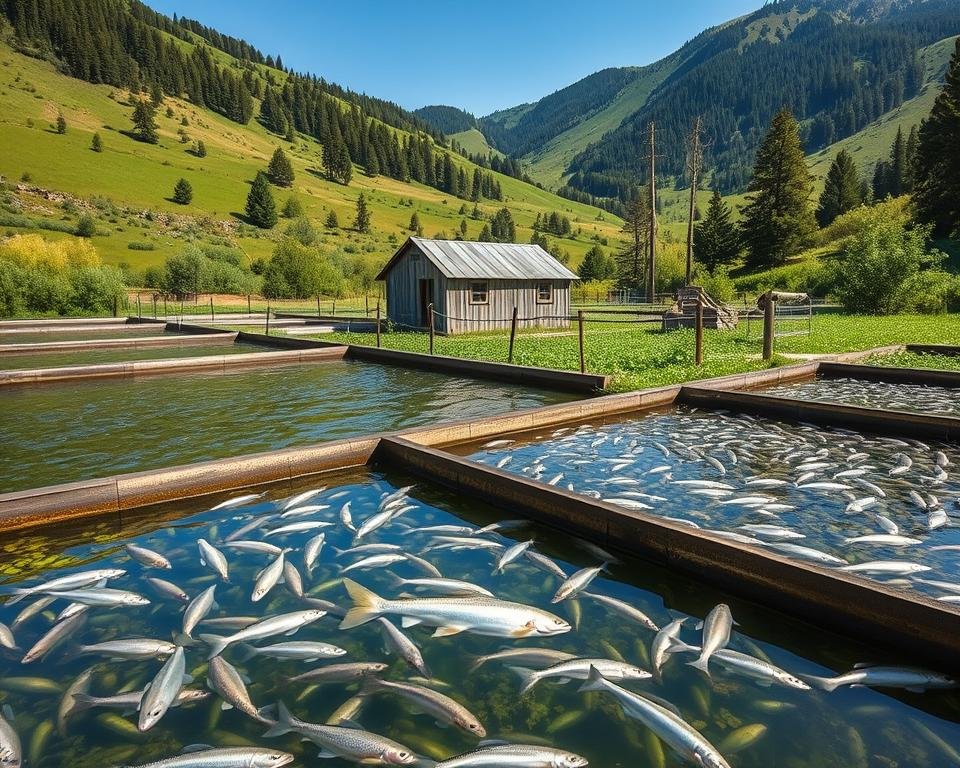
Trout farming can be done in ponds or tanks. Pond farming is traditional and natural. Tank farming lets you control water better.
Choosing between ponds and tanks depends on your budget, land, and production size. Both need careful planning for trout health.
Infrastructure Essentials
A trout farm’s setup includes water systems, ponds or tanks, and tools for water care. Water quality monitoring systems are key for trout growth.
Other must-haves are feeding systems, grading tables, and harvesting gear. These should fit your farm’s needs for efficient and green trout farming.
Breeding Techniques for Trout
To improve trout stock quality and quantity, mastering breeding techniques is key. These techniques are vital for trout aquaculture success. Understanding them is essential for trout farmers.
Selective Breeding
Selective breeding aims to enhance trout genetic quality. By choosing broodstock with traits like faster growth and better flesh, farmers can boost their trout’s performance.
Benefits of Selective Breeding:
- Improved growth rates
- Enhanced disease resistance
- Better flesh quality
- Increased survival rates
Spawning Methods
Spawning methods differ by trout species and farming system. Common methods include natural and artificial spawning. Natural spawning lets trout spawn naturally, while artificial spawning involves manual egg fertilization.
| Spawning Method | Description | Advantages |
|---|---|---|
| Natural Spawning | Trout spawn in a natural environment | Less labor-intensive, more natural process |
| Artificial Spawning | Eggs are manually stripped and fertilized | More control over the spawning process, improved fertilization rates |
Genetics in Trout Culture
Genetics are key in trout culture, affecting traits like growth and disease resistance. Knowing genetics helps farmers make better breeding choices.
Genetic research has created improved trout strains. By applying genetic knowledge, farmers can breed high-quality trout.
In conclusion, breeding techniques are essential for trout culture success. By using selective breeding, proper spawning methods, and genetics, farmers can improve their stock quality. This leads to a more sustainable and profitable aquaculture operation.
Managing Trout Health
Raising trout requires a detailed plan for health care to keep them thriving. As a trout farmer, it’s key to stay ahead in keeping your trout healthy. This helps avoid losses and boosts your farm’s output.
Disease Prevention Strategies
Stopping diseases is a major part of keeping trout healthy. Trout can get sick from bacteria, viruses, and parasites. Good water quality and a clean space are key to stopping diseases.
Trout often face issues like furunculosis, bacterial kidney disease, and infectious pancreatic necrosis. Knowing what causes and shows these diseases is important for stopping and treating them.
Vaccination Strategies
Vaccines are a big help in managing trout health. Vaccines can shield trout from certain diseases and cut down on antibiotic use. It’s important to talk to a vet to find the best vaccine plan for your farm.
Regular Health Monitoring
Keeping a close eye on your trout’s health is vital. This means checking them often for signs of sickness or stress and watching the water quality. Spotting problems early helps you act fast and stop diseases from spreading.
| Disease | Cause | Symptoms | Prevention |
|---|---|---|---|
| Furunculosis | Bacterial infection | Lesions, lethargy | Good water quality, vaccination |
| Bacterial Kidney Disease | Bacterial infection | Lethargy, loss of appetite | Good water quality, biosecurity measures |
| Infectious Pancreatic Necrosis | Viral infection | Spiral swimming, lethargy | Vaccination, biosecurity measures |
By using these methods, trout farmers can greatly improve their fish’s health and productivity. Good health care is essential for successful trout farming practices and freshwater fish cultivation.
Feeding Methods in Trout Culture
Improving how we feed trout is key to their growth and saving money. Good feeding methods help keep trout healthy and productive. In my work with trout, I’ve learned that a smart feeding plan is vital for success in indoor ponds.
Nutritional Feed Options
The feed for trout changes as they grow. We use commercial pellets, live feeds, and special diets. Pellets are popular because they’re easy to use and full of nutrients.
Live foods like brine shrimp add important nutrients. Special diets are made for different growth stages of trout.
Creating Effective Feeding Schedules
Setting up a feeding schedule is important. It ensures trout get what they need without eating too much. How often and how much to feed depends on water temperature, fish size, and growth rate. Regular monitoring helps adjust the schedule as needed.
- Feed trout multiple times a day to promote healthy growth.
- Adjust feeding amounts based on water temperature and fish size.
- Monitor fish behavior to avoid overfeeding.
Supplementary Feeding Techniques
Supplementary feeding boosts trout nutrition. We add vitamins and minerals to their feed. Probiotics also help with digestion and immunity.
Using these feeding methods can make your fish farm healthier and more productive. Whether you have indoor or outdoor ponds, a good feeding plan is essential for success.
Environmental Considerations
Exploring trout farming shows us how important the environment is. Trout farming, like other aquaculture, can affect the environment. So, using sustainable practices is key for trout farming’s future.
Sustainable Practices in Trout Farming
Sustainable trout farming includes several important steps. These steps help reduce the farm’s impact on the environment. They are:
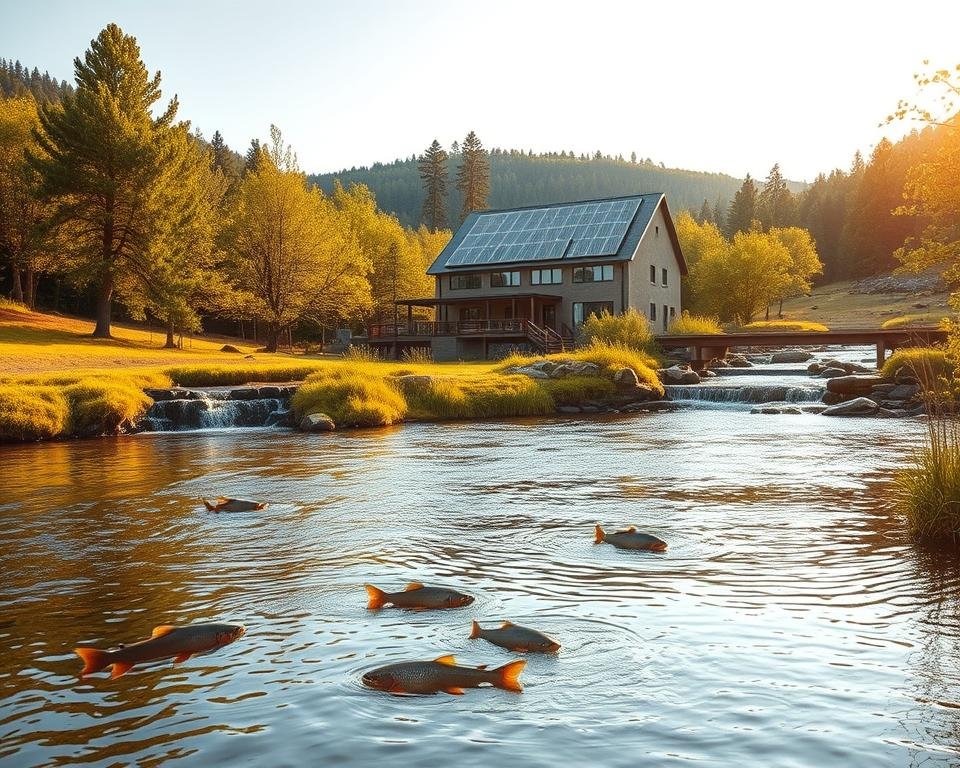
- Using renewable energy to power the farm
- Implementing efficient water use systems to cut down waste
- Employing integrated pest management to lessen chemical use
- Using high-quality feed that is sustainably sourced
These practices help trout farmers lessen their environmental impact. For example, renewable energy reduces greenhouse gas emissions. Efficient water use keeps water quality good inside and outside the farm.
Impact of Pollution
Pollution is a big problem for trout farms. It harms the fish and the ecosystem. Pollutants like agricultural runoff, industrial waste, and sewage are common. They can cause:
- Eutrophication, which harms trout with algal blooms
- Habitat destruction from chemical contamination
- Increased disease in trout populations
To fight these effects, trout farmers need strong monitoring systems. These systems help catch pollution early and fix it fast.
Water Management Strategies
Good water management is vital for sustainable trout production. It’s about keeping water quality high and using water wisely. Strategies include:
- Regular water quality checks to spot changes or pollutants
- Water recycling systems when possible
- Sedimentation ponds to clean effluent before release
These water management steps help protect water resources. They also keep trout populations healthy.
Harvesting Techniques
Harvesting trout is a key step in raising them. It affects the quality of the final product. Harvesting at the right time and using the right methods is important for keeping the trout fresh and of high quality.
Optimal Harvest Time
Finding the best time to harvest trout is critical. The size of the trout, market demand, and growth rate are important factors. Trout are usually harvested when they reach a certain size, depending on the species and market.
Rainbow trout are often ready to be harvested between 12 to 18 months old. They usually weigh between 1 to 2 pounds at this time. Keeping an eye on their growth helps maximize profits and ensures a steady supply.
Methods of Harvesting
There are several ways to harvest trout:
- Draining the ponds or tanks and manually collecting the fish.
- Using nets to scoop out the trout from the water.
- Employing specialized harvesting equipment designed for aquaculture.
Each method has its own benefits. The choice depends on the size of the operation, the culture system, and available resources.
Post-Harvest Handling
Proper handling after harvesting is key to keeping the trout quality high. This includes:
| Handling Practice | Description | Benefit |
|---|---|---|
| Immediate chilling | Cooling the fish to a low temperature immediately after harvest. | Preserves freshness and quality. |
| Gutting and cleaning | Removing the innards and cleaning the fish. | Reduces the risk of contamination and spoilage. |
| Packaging | Placing the trout in appropriate packaging for distribution. | Protects the fish during transportation and storage. |
For more detailed information on trout farming practices, you can visit Seafish.org. It offers in-depth insights into aquaculture, including trout cultivation.
Marketing and Selling Trout
Marketing and selling trout needs a smart plan to find customers and shine in the aquaculture market. You’ve worked hard to raise healthy fish. Now, it’s time to market them well to make a profit.
Identifying Your Market
To market your trout well, first find your target audience. This could be local restaurants, fish markets, or online buyers. Know what they like, how they buy, and what they expect. Some might want fresh fish, while others might look for sustainable or organic options.
For more tips on finding your market, check out this page.
Pricing Strategies
Setting the right price is key for your trout business. Think about your costs, market demand, and what others charge.
- Cost-plus pricing: Add a markup to your costs to make a profit.
- Competitive pricing: Price your trout like your competitors to attract buyers.
- Value-based pricing: If your trout is special, like sustainably farmed, charge more.
Packaging and Branding
Good packaging and branding make your trout more appealing. Use eco-friendly packaging to keep your trout fresh. Your branding should show what makes your product unique.
- Labeling: Include your farm’s info, where the trout comes from, and any certifications.
- Storytelling: Tell the story of your farm and how you care for your trout. This builds a connection with customers.
- Visual Identity: Create a logo and packaging that shows your brand’s values and appeals to your target market.
By focusing on these areas, you can create a strong marketing plan. This will highlight your trout and draw in customers.
Future Trends in Trout Culture
The future of trout culture is changing fast. New trends are emerging, and it’s key to keep up. We need to adopt new, green ways of farming trout that are both efficient and sustainable.
Innovations in Aquaculture Technology
New tech is changing trout farming for the better. It lets farmers watch over their farms more closely. With tools like automated feeders and water quality checkers, farming trout is getting greener and more productive.
Sustainable Practices in Trout Production
People want to buy trout that’s good for the planet. So, trout farming is going green. Outdoor breeding programs are being set up to cut down on harm to the environment.
Shifts in Consumer Demand
What people want to buy is changing the trout industry. There’s a big push for trout that’s raised right and is good for the planet. Trout farmers are listening, focusing on caring for the environment and being fair to workers.

 Hatchery Requirements for Aquaculture by Species
  Species Stocking Density in Aquaculture: Achieving the Right Balance
  Top High-Value Aquaculture Species to Grow
  Catfish Production Systems: Strategies for Profitable Aquaculture
  Aquaculture Water Temps: Ideal for Fish Farming
  The Pangasius Grow-out Cycle: What You Need to Know